In 2026, advertising social strategies have become the driving force behind brand growth in our digital-first world. Social networks are evolving rapidly, introducing new channels, formats, and technologies that change how brands connect with people.
Curious about what sets winning campaigns apart? This guide uncovers the latest trends, expert insights, and proven steps that help marketers, business owners, and agency leaders maximize ROI, reach, and engagement.
Ready to stand out in a crowded landscape? Dive in to discover the evolution of social advertising, top platforms, creative tactics, budgeting tips, and a practical roadmap for success in 2026.
The Evolution of Social Media Advertising: Trends Shaping 2026
In the blink of an eye, social media has transformed from a digital town square into a bustling marketplace. By 2026, the advertising social landscape is unrecognizable compared to even a few years ago. This evolution is driven by new technology, emerging platforms, and changing audience behaviors. Let’s explore how these trends are shaping the future of advertising social and why brands must adapt to thrive.

The Shifting Social Landscape
The advertising social world is buzzing with new opportunities and challenges. Platforms like TikTok have exploded in popularity, capturing the attention of Gen Z and Millennials with bite-sized, addictive videos. Meanwhile, emerging apps are quickly building their own ad ecosystems, creating fresh spaces for brand storytelling.
Organic reach is steadily declining, which means brands can no longer rely on viral posts alone. Paid strategies have become essential for visibility. AI and automation are revolutionizing how ads are targeted and content is created, allowing for hyper-personalization and real-time optimization.
Privacy and transparency are now at the forefront. Platforms are implementing stricter data protections, and users are more aware of how their information is used. Social commerce is booming, with in-app shopping features turning platforms into digital storefronts. Short-form video formats, like Reels and Shorts, dominate feeds and demand new creative approaches.
Voice search, AR filters, and immersive ad experiences are no longer futuristic concepts. Brands are using these tools to engage audiences in memorable ways. TikTok’s growth story is a testament to this shift, with its advertising social market share surging as brands flock to its unique format.
Key Data & Industry Insights
The numbers tell a compelling story about the rise of advertising social. By 2026, global mobile ad spending is projected to hit staggering heights, with industry estimates approaching $399.6 billion. Social ads have secured their place as the second largest digital ad market after search, reflecting their central role in brand strategies.
Visual and interactive ad formats are outperforming static content, driving higher engagement and return on investment. For example, brands leveraging AI-driven creative have reported significant boosts in campaign performance. The latest Digital 2026 report by Meltwater and We Are Social reveals that social media users now represent a global supermajority, with AI usage in advertising social campaigns crossing the one billion mark.
Case studies highlight brands that adopted AI-powered video ads early, resulting in higher ROI and stronger brand recall. Interactive formats like polls, shoppable posts, and AR experiences are becoming standard practice for those seeking to stand out.
Challenges and Opportunities
Despite the promise, advertising social comes with its own set of hurdles. Rising competition means ad costs are climbing, with average CPCs and CPMs increasing across most major platforms. Marketers must continually adapt to changing algorithms and evolving user behaviors to maintain their edge.
Yet, these challenges also bring opportunities. Brands willing to experiment with new formats and platforms can seize first-mover advantage. Early adoption of tools like AI targeting or immersive AR ads often translates into better results and lower costs.
Navigating this dynamic landscape requires agility, creativity, and a data-driven mindset. By staying ahead of trends and embracing innovation, brands can turn the evolution of advertising social into a powerful growth engine for 2026 and beyond.
Choosing the Right Social Platforms for Your Brand
Selecting the best platforms for your advertising social efforts can feel like navigating a crowded city at rush hour. With so many options, the right turn can make all the difference for your brand’s journey. Let’s explore how to choose the most effective social channels for your unique goals.

Platform Overview and Audience Demographics
Each social platform is like a distinct neighborhood, bustling with its own crowd and culture. Facebook remains a powerhouse for reach, especially for audiences 25 and older. Instagram thrives on visual storytelling, influencer partnerships, and seamless shopping features, making it ideal for lifestyle and retail brands.
TikTok has captured the hearts of Gen Z and Millennials, driving high engagement with its short-form videos. LinkedIn offers focused B2B targeting and professional audiences, often delivering strong conversions for industries like tech and finance. YouTube’s massive reach spans all ages, supporting both long and short video formats at higher CPMs.
Emerging platforms like Snapchat, Pinterest, Reddit, and Quora serve niche communities with unique advertising social opportunities, from creative AR filters to discussion-based ads.
Data-Driven Platform Selection
Data is your compass in the world of advertising social. Platform usage numbers tell a compelling story: Facebook reaches 2.11 billion users, YouTube 2.56 billion, Instagram 1.48 billion, and TikTok 0.88 billion. CPM and CPC benchmarks guide budget planning, with TikTok averaging $1.00 CPC and YouTube at $9.68 CPM.
The secret is matching each platform’s features to your campaign objectives. Are you seeking awareness, engagement, or conversion? Tools powered by AI are making these decisions sharper than ever. According to Emplifi's State of Social Media Marketing 2026 report, marketers are increasingly using AI to analyze performance data and optimize platform choices for better results.
Multi-Platform Strategy
A multi-platform approach amplifies your brand’s reach and resilience. Running advertising social campaigns across several channels lets you connect with audiences at different touchpoints, boosting brand lift and retargeting potential.
Tailor your creative and messaging to each platform’s unique style. For example, a cohesive video campaign might blend Instagram Reels’ lifestyle flair with TikTok’s playful trends, expanding your message’s impact. Cross-platform strategies also help you gather richer data, informing smarter decisions for future campaigns.
Remember, the best advertising social results come from meeting your audience where they are, adapting with agility, and embracing the strengths of each digital neighborhood.
Advanced Targeting and Audience Segmentation Strategies
In the world of advertising social, understanding your audience is the secret ingredient that separates good campaigns from unforgettable ones. As we approach 2026, brands that master advanced targeting and segmentation will gain a decisive edge. Let’s explore how you can harness data, technology, and creativity to connect with your ideal customers.
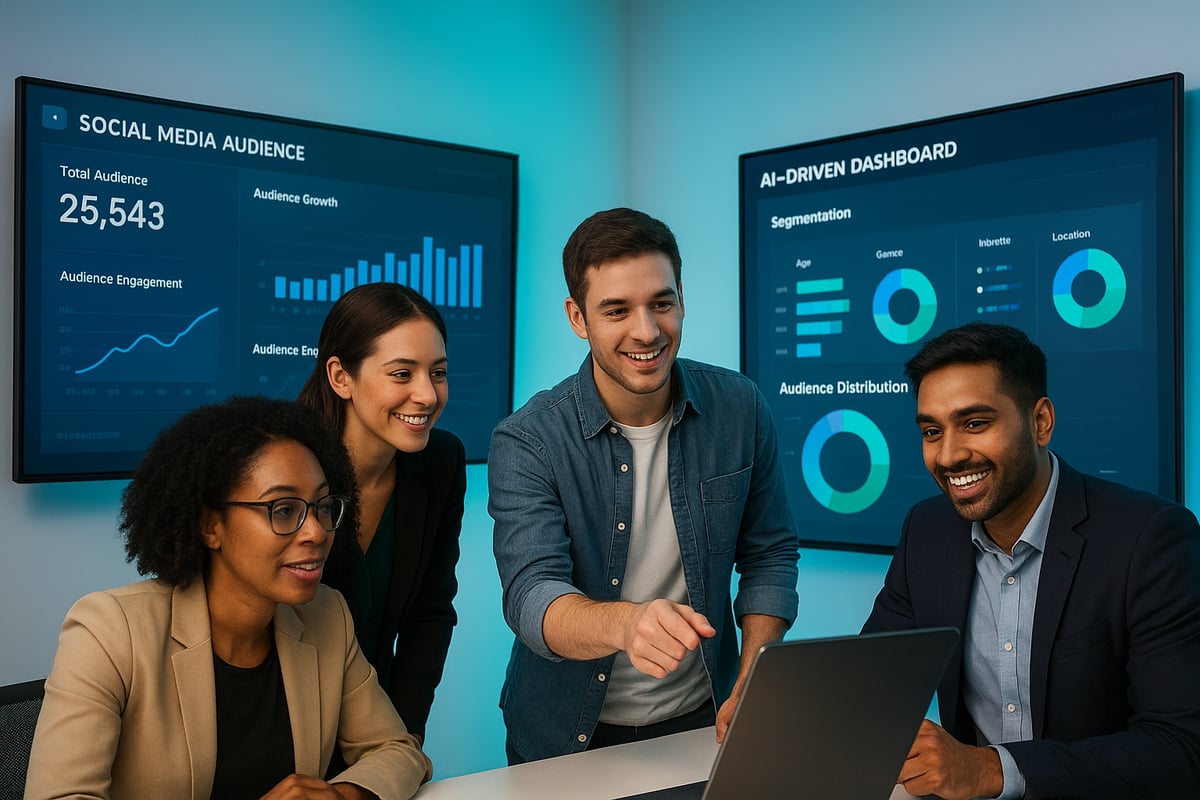
Understanding and Leveraging Audience Data
Today, advertising social is less about keywords and more about truly knowing your audience. Platforms now offer a wealth of data, from interests and behaviors to purchase intent. Brands are shifting focus to audience-based targeting, which means building campaigns around what people care about, not just what they search for.
First-party data is gold. By integrating CRM systems with social platforms, you can create custom audiences based on real customer interactions. This approach keeps your advertising social efforts grounded in actual behavior, not just assumptions.
Privacy-first targeting is also a must. As data restrictions tighten, transparent consent and respecting user choices are non-negotiable. The future of advertising social relies on balancing personalization with privacy.
Building High-Performing Audience Segments
High-performing campaigns start with smart segmentation. In advertising social, this means going beyond age and location. Consider these layers:
- Demographics: Age, gender, income, education
- Interests: Hobbies, favorite brands, content preferences
- Behaviors: Shopping habits, device usage, online activity
- Lookalike audiences: People similar to your best customers
- Retargeting: Website visitors, video viewers, social engagers
Layering these options creates precision and efficiency. For example, combine interest targeting with retargeting to reach users most likely to convert. This layered approach keeps your advertising social strategy agile and effective.
AI and Automation in Targeting
Artificial intelligence is transforming advertising social at lightning speed. AI-driven audience discovery tools can analyze vast data sets and uncover hidden segments you might miss. Predictive segmentation means platforms can now anticipate who will engage, letting you reach the right people before your competitors.
Automated rules help with budget allocation and bid adjustments, ensuring your spend goes further. Real-world stories abound of brands using AI to optimize audiences in real time, often seeing double-digit improvements in ROI.
Meta’s plans to fully automate ad creation and targeting using AI by 2026 signal a new era for advertising social. Learn more about these advancements in Meta's AI-driven advertising automation plans, which could reshape how campaigns are built, targeted, and scaled.
Testing and Optimization
No advertising social strategy is static. The most successful brands treat targeting as an ongoing experiment. A/B test different audience segments, creative approaches, and placements to see what resonates.
Leverage platform analytics to refine your targeting over time. Small tweaks can lower CPA and boost ROAS. Continuous iteration is the engine of advertising social success. As trends and behaviors shift, so should your segments and strategies.
By embracing data, AI, and a spirit of experimentation, you’ll unlock the full power of advanced targeting in advertising social.
Creative Excellence: Crafting Compelling Social Ad Content in 2026
Crafting scroll-stopping ad content is the heart of advertising social success in 2026. With audiences craving authenticity and engagement, brands must blend creativity with strategy to stand out. Let’s explore the essential elements that elevate advertising social campaigns and captivate your audience.

Creative Formats and Best Practices
The landscape of advertising social content is dominated by video-first strategies. Short-form, vertical videos are the primary drivers of engagement, especially on platforms like TikTok and Instagram Reels.
Immersive formats, such as AR filters and 3D product showcases, are gaining popularity. Brands that experiment with Stories, carousels, and interactive posts find higher engagement rates. Native ad design, where ads blend with organic content, is essential for seamless user experiences.
Consider this table to compare popular formats:
| Format | Engagement | Best Use Case |
|---|---|---|
| Short-Form Video | High | Brand Awareness |
| Carousel | Medium | Product Showcases |
| AR/VR | High | Immersive Campaigns |
Adopting a variety of formats in your advertising social strategy ensures you reach audiences with different preferences.
Messaging Strategies
Personalization is at the core of effective advertising social messaging in 2026. Dynamic creative adapts messaging to individual audience segments, making every ad feel relevant.
Compelling storytelling brings your brand to life. Emotional triggers—humor, nostalgia, inspiration—evoke stronger connections and memorable campaigns. Every ad should include a clear call-to-action that matches the customer’s stage in the funnel, whether it’s awareness or conversion.
Ask yourself: Does your advertising social message speak directly to your audience’s needs and emotions? If not, refine your approach with relatable narratives and impactful visuals.
Data-Driven Creative Optimization
Leveraging analytics is non-negotiable for advertising social excellence. Use platform data to identify which creatives resonate most with your audience. AI-powered tools now generate and test multiple ad variations at scale, allowing for rapid iteration and improved performance.
According to the IAB's 2025 Digital Video Ad Spend & Strategy Full Report, nearly 90 percent of advertisers are adopting generative AI for video ads, highlighting its transformative impact on creative workflows.
Experiment with A/B testing, and let data guide your creative decisions for maximum ROI.
Accessibility and Inclusivity
Inclusive advertising social content reaches more people and builds stronger brand reputation. Always add captions to videos, provide alt text for images, and use diverse representation in visuals.
Accessibility standards are more important than ever. Ensure color contrast is adequate and designs are readable for everyone. Compliance isn’t just a legal obligation—it’s a way to show your brand cares.
Building accessible advertising social campaigns fosters trust and loyalty across a wider audience.
Trends and Innovations
User-generated content (UGC) and influencer partnerships are redefining advertising social in 2026. Audiences trust peer recommendations and real-life stories over polished brand messages.
Interactive features, like polls and shoppable posts, boost engagement and drive direct sales. A recent campaign using UGC went viral, showing the power of authentic, community-driven content.
Stay ahead by embracing these trends in your advertising social strategy. Innovation is the key to standing out in a crowded feed.
Budgeting, Bidding, and Measuring ROI for Social Campaigns
Mastering advertising social means knowing how to make every dollar count. In the fast-paced world of digital marketing, your budget, bidding, and measurement processes can make or break your campaign. Let’s break down the essentials for success in 2026.
Budget Planning and Allocation
Budgeting for advertising social campaigns starts with understanding the cost landscape across platforms. Each channel has unique benchmarks, and knowing these helps you set realistic expectations.
Here’s a quick comparison of average CPMs for 2026:
| Platform | Avg. CPM ($) |
|---|---|
| 7.91 | |
| 6.59 | |
| 3.50 | |
| YouTube | 9.68 |
| TikTok | 4.00 |
Allocate your spend based on campaign objectives. For example, awareness campaigns might need broader reach on Instagram or TikTok, while conversion campaigns could focus on LinkedIn or YouTube. Consider splitting your budget across funnel stages to maximize the impact of your advertising social strategy.
For more detailed benchmarks and global trends, Hootsuite's Social Media Advertising Guide is a helpful resource.
Bidding Strategies
Choosing the right bidding approach can boost your results in advertising social. Manual bidding gives you full control but demands close monitoring. Automated bidding leverages AI to adjust bids in real time, optimizing for your chosen goals.
When setting your bidding strategy, align it with your campaign objectives. For brand awareness, optimize for impressions or reach. For conversions, set bids to maximize leads or sales.
Most advertising social platforms offer built-in tools that help you test and refine your bidding settings. Experimenting with both manual and automated options can reveal what works best for your brand and budget.
Key Performance Metrics
Tracking the right metrics is vital to advertising social success. The key figures to monitor include:
- CPC (Cost Per Click): Measures cost efficiency for driving traffic.
- CPM (Cost Per Mille): Shows the price for 1,000 impressions.
- CPA (Cost Per Acquisition): Tracks cost for each conversion.
- ROAS (Return on Ad Spend): Indicates revenue generated per dollar spent.
- Engagement Rate: Reflects audience interaction with your ads.
Set up conversion tracking and offline event integrations to capture the full customer journey. Use analytics dashboards to compare results by platform, creative, and audience segment. This data empowers smarter decisions in your advertising social campaigns.
Continuous Optimization
Winning in advertising social is a game of constant improvement. The most successful brands don’t set and forget—they optimize week by week.
Here’s a proven approach:
- Analyze performance data regularly.
- Reallocate budgets toward top-performing campaigns.
- Scale up winning creatives and pause underperformers.
- Test new audiences and creative variations.
- Rinse and repeat for ongoing growth.
One leading brand improved its ROAS by 25% through weekly optimization cycles. Treat every campaign as a learning opportunity, and your advertising social results will steadily climb.
Navigating Rising Costs
As competition heats up, advertising social costs can rise quickly. The key is staying agile and proactive with your strategies.
Focus on creative testing, refining your audience segments, and optimizing your funnel from ad to conversion. This helps you maintain ROI even as average CPCs or CPMs increase.
Think of advertising social as a marathon, not a sprint. By investing in ongoing research, fresh creative, and smart targeting, you’ll be ready to outpace rivals and deliver lasting results.
Step-by-Step Action Plan: Launching Winning Social Ad Campaigns in 2026
Launching a successful advertising social campaign in 2026 is like orchestrating a symphony—each step, from setting objectives to creative execution, must work in harmony. Whether you are a seasoned marketer or just starting out, following this action plan will help you maximize ROI and stand out in a crowded digital world.
Step 1: Define Clear Campaign Objectives
Start your advertising social journey by defining clear, measurable objectives. Are you aiming for brand awareness, lead generation, or direct sales? Map these goals to your customer journey and establish KPIs like reach, engagement, or conversions.
Ask yourself: What does success look like? Clarity at this stage guides every decision that follows.
Step 2: Deep Audience Research and Persona Development
Effective advertising social strategies are rooted in understanding your audience. Dive into CRM data, analytics, and market research to uncover insights about your ideal customers.
Build detailed personas that capture demographics, behaviors, and motivations. The more you know, the more tailored and impactful your messaging will be.
Step 3: Platform and Format Selection
Not all social platforms are created equal. Match your audience and objectives to the right channels—Facebook for broad reach, TikTok for younger demographics, LinkedIn for B2B campaigns.
Explore formats like short-form video, carousels, or Stories to engage users where they spend time. For a full comparison of platforms, check out this detailed guide on social media platforms.
Step 4: Craft High-Impact Creative Assets
In advertising social campaigns, creative is your secret weapon. Develop thumb-stopping videos, eye-catching images, and interactive content that aligns with each platform’s culture.
Focus on storytelling. Use emotional hooks, clear calls-to-action, and make your brand’s personality shine. Test multiple creative variations to see what resonates.
Step 5: Set Up Targeting and Budgeting Parameters
Precision is key in advertising social success. Set up audience segments based on your personas, excluding irrelevant groups and building retargeting pools for website visitors or engaged users.
Allocate your budget wisely across platforms and funnel stages. Use bid strategies that align with your objectives, such as maximizing conversions or impressions.
Step 6: Launch, Monitor, and Optimize
Now, it’s time to activate your advertising social campaign. Launch with confidence, but stay vigilant—monitor real-time analytics for performance trends.
A/B test different creatives and targeting options. Don’t be afraid to pivot if something isn’t performing. Optimization is an ongoing process, not a one-time task.
Step 7: Measure, Analyze, and Report
Tracking progress is essential for advertising social campaigns. Measure key metrics like CPC, CPM, CPA, and ROAS, comparing results to your original KPIs.
Use platform dashboards and analytics tools to uncover insights. Document what worked, what didn’t, and share learnings with your team for future campaigns.
Step 8: Stay Agile and Embrace Innovation
The digital landscape is always shifting. Stay agile by regularly reviewing trends, platform updates, and new tools in advertising social.
Encourage experimentation—test emerging formats, adopt AI-driven solutions, and adjust your strategy based on data. Agility is your competitive edge.
Real-World Example: Multi-Platform Campaign Success
Let’s meet Brand Z. In 2026, they launched an advertising social campaign across TikTok, Instagram, and YouTube. Their team combined short-form videos, interactive polls, and shoppable posts tailored to each platform.
The results? A 3x boost in engagement, 50% lower CPA, and viral brand awareness. Brand Z’s story proves that a strategic, multi-platform approach can deliver standout results.
Tips for Scaling and Sustaining Success
Scaling advertising social efforts takes planning and teamwork. Build a content calendar to ensure consistent messaging and campaign delivery.
Invest in ongoing creative refreshes and audience research. Foster collaboration between creative, analytics, and media teams to keep campaigns fresh and effective.
The Future of Social Advertising: Preparing for What’s Next
Imagine standing at the edge of a new era in advertising social, where every campaign feels like a leap into the future. The landscape is changing fast, and brands that prepare now will thrive in the years ahead.
Anticipated Trends for 2026 and Beyond
As we look ahead, advertising social is being shaped by several powerful trends. Artificial intelligence and automation are becoming the backbone of campaign management, making it easier to target, optimize, and scale efforts. Social commerce is expanding rapidly, with seamless in-app purchase experiences becoming the norm. Privacy and ethical data use are now front and center, with platforms prioritizing transparency and consent.
- AI-powered ad creation and targeting
- Social commerce features driving direct sales
- Stronger privacy regulations and ethical standards
For marketers, staying ahead means monitoring these trends and adapting strategies to match the evolving landscape of advertising social.
Platform Innovations and New Opportunities
Platforms are racing to launch new tools and experiences. AR and VR ads are moving from novelty to mainstream, offering brands immersive ways to engage audiences. The metaverse is opening doors to virtual storefronts and events, while voice and conversational ads are making customer interactions more personal and intuitive.
Micro-communities and niche influencers are rising in importance. Brands that tap into these smaller, engaged groups can achieve authentic connections and higher conversion rates in their advertising social campaigns.
- AR/VR ad experiences
- Voice and conversational ads
- Micro-influencer partnerships
Embracing these innovations early can set your brand apart in the crowded advertising social space.
Organizational Readiness and Skills Development
To succeed with advertising social in 2026, organizations must invest in their people. Upskilling teams in analytics, creative tools, and automation is critical. Agile processes allow brands to pivot quickly as platforms and algorithms change.
Building a collaborative environment between creative, analytics, and media teams helps unlock better results. Regular training sessions, workshops, and knowledge sharing keep everyone aligned and ready to adapt.
- Analytics and automation training
- Cross-team collaboration
- Agile project management
Future-ready organizations make advertising social a core skill set, not just a marketing add-on.
Key Takeaways for 2026 Social Advertising Success
Winning with advertising social in 2026 means staying customer-centric and data-driven. Creativity and authenticity are your secret weapons, helping your brand stand out and build trust. Continuous experimentation and monitoring industry benchmarks will keep your campaigns sharp.
Consider how leading brands are innovating. For example, companies that combined AI-driven creative with influencer partnerships saw social media ads become the fourth-biggest source of brand discovery and the second-most popular channel for online research, according to recent data.
- Focus on customer needs and behavior
- Use data to guide every decision
- Stay creative, authentic, and experimental
By preparing now, you ensure your advertising social strategy is ready for whatever the future brings.
After exploring the evolving landscape of social advertising and how platforms, creativity, and data-driven decisions shape real impact, you might be wondering how to translate all this into meaningful results for your own brand. At TIME SPACE, we’ve seen firsthand how a heart-led approach—paired with cutting-edge tools like our real-time media app—can turn moments into movements and boost engagement where it matters most. If you’re ready to elevate your campaigns and truly connect with your audience in 2026, let’s talk about your goals and what’s possible together. Book a discovery call

Subscribe to our newsletter
We will keep it short and relevant, once a month... and soon we will replace the newsletters!