In 2026, personal brands are no longer a luxury for the select few. They are the heartbeat of influence, opportunity, and genuine connection in our digital-first world. Imagine standing out not just for what you do, but for who you truly are.
This guide will show you how to craft and elevate your personal brands using strategies that work today and tomorrow. You’ll learn how to define your unique value, align your presence online and offline, harness new technology, build authentic communities, and stay ahead as the landscape evolves.
If you’ve ever wondered how top voices get noticed or how stories spark action, you’re in the right place. Ready to unlock your signature identity? Let’s begin your journey to a standout personal brand.
Understanding Personal Branding in 2026
What does it mean to truly stand out in 2026? Personal brands have become more than a digital logo or a catchy tagline. They are living, breathing reputations, shaped by your story, your impact, and how others experience you online and offline.
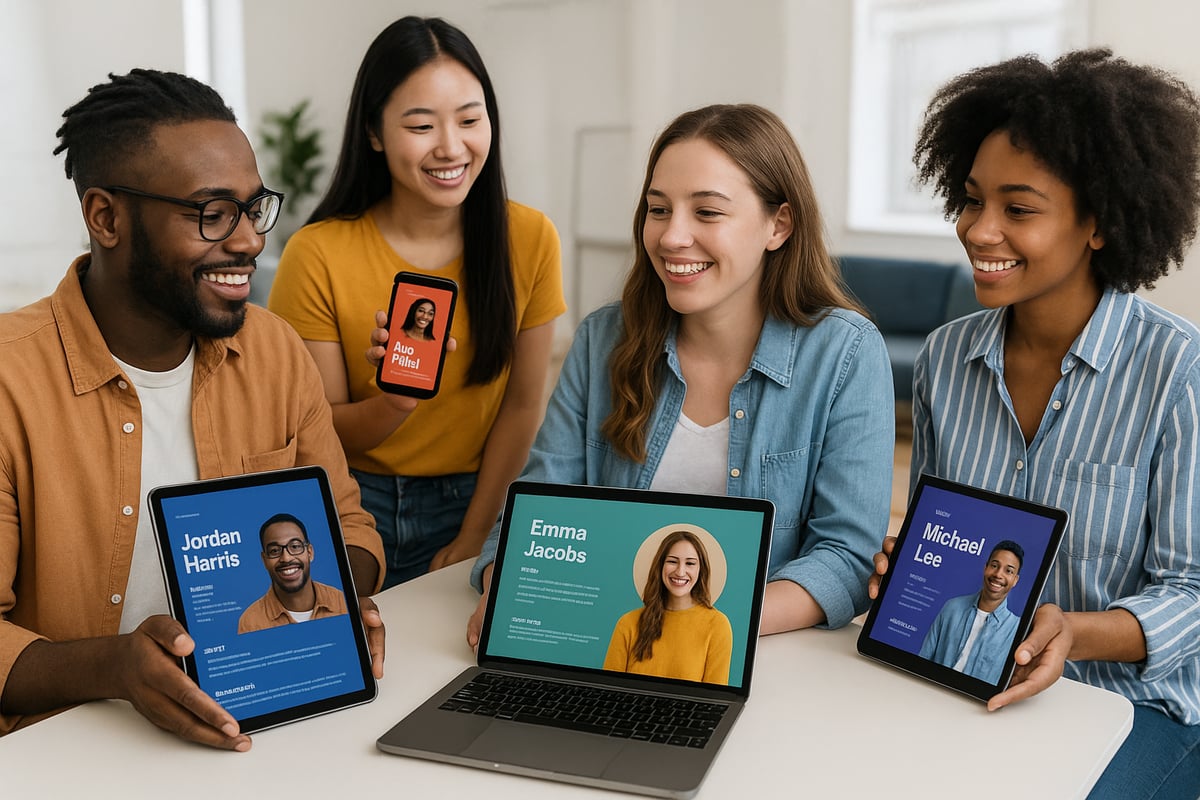
Personal brands are now your digital handshake and your ongoing conversation with the world. In the past, branding was reserved for companies or celebrities. Now, anyone with a story and a purpose can build influence, open doors, and create opportunities.
Let’s look at how personal brands have evolved:
| Old Personal Branding | New Personal Branding (2026) |
|---|---|
| Focused on visuals | Focused on values and impact |
| One-way broadcasting | Community-driven storytelling |
| Static identities | Dynamic, evolving personas |
| Reserved for extroverts | Accessible to everyone |
The rise of personal brands has shifted from influencer culture toward purpose-centric identities. People are drawn to authenticity, vulnerability, and value-driven missions. In 2026, artificial intelligence, decentralization, and hyper-personalization are shaking up how personal brands are built and perceived.
Why does this matter now more than ever? Consider these stats: 85% of recruiters say personal brands are critical for hiring decisions, and 60% of Gen Z consumers trust individuals more than companies. For more insights, see these Personal Branding Statistics 2025.
Stories abound of creators making career leaps by nurturing their personal brands. Take the tech founder who pivoted from software development to public speaking, or the wellness coach who built a thriving community by sharing their authentic journey. Even small business owners are leveraging personal brands to reach niche markets and connect with micro-communities.
Micro-communities are booming. Instead of chasing massive audiences, people are building loyal, engaged groups around shared interests. This shift rewards niche authority—think of the finance expert who leads a private Discord, or the artist who curates a close-knit following on emerging platforms.
There are still many misconceptions. Some believe personal brands are only for extroverts or those craving the spotlight. Others assume you need a huge following to make an impact. In reality, personal brands thrive on authenticity and meaningful engagement, not just follower counts.
Here are a few common myths:
- You need to be famous to benefit from personal brands.
- Only social media influencers need personal brands.
- Branding is just for those who love self-promotion.
- A personal brand is set once and never changes.
Neglecting your personal brand in this era of digital transparency carries real risks. Without a clear narrative, others may define your story for you. Missed opportunities, stalled growth, and loss of trust can follow. In a world where your digital footprint is permanent, curating your presence is not just smart—it’s essential.
The landscape is changing fast. Those who invest in their personal brands today are future-proofing their careers, building lasting connections, and shaping their own narrative for years to come.
Step 1: Defining Your Signature Identity
Your journey to building unforgettable personal brands begins with self-discovery. Before you can stand out, you need to understand what makes you irreplaceable. Step 1 is about uncovering your core, shaping a story that resonates, and expressing it visually and verbally in a way that turns heads and builds trust.

Uncovering Your Core Values and Purpose
Every memorable personal brand starts with a strong sense of self. Ask yourself: What are your non-negotiables? What values guide your decisions, both online and offline? Take time to journal your beliefs, strengths, and the moments that have shaped you. Try exercises like listing your top five values, mapping your personal timeline, or asking friends what qualities they associate with you.
Authenticity is the secret sauce for personal brands that last. When your mission aligns with your actions, people notice. For example, a wellness coach once struggled to attract ideal clients until she realized her true passion was holistic healing, not just fitness. By sharing her story and values, she drew in a loyal audience willing to invest in her higher-end programs. Remember, personal brands built on clarity and self-awareness become magnets for the right opportunities.
Crafting Your Brand Story and Messaging
Stories breathe life into personal brands. Your journey is more than a resume—it's a narrative of growth, resilience, and transformation. Start with your origin: What inspired you to begin? Next, highlight a turning point or challenge that defined your path. Finally, share the impact you want to create for others.
Use storytelling frameworks like the Hero’s Journey or StoryBrand to organize your thoughts. For instance, in 2026, many founders share how they pivoted careers after an AI-driven job shift, showing vulnerability and adaptability. These stories connect, inspire, and build trust. The best personal brands use language that is clear, human, and memorable. When you articulate not just what you do but the why behind it, your message becomes unforgettable.
Identifying Your Audience and Value Proposition
Successful personal brands understand exactly who they serve. Start by researching your target audience: run surveys, monitor social media conversations, or use analytics to spot trends. Create a detailed avatar of your ideal follower or client. What are their dreams? What keeps them up at night? What platforms do they use?
Once you know your audience, define your unique value proposition. Ask yourself, “What do I offer that no one else does?” Maybe it’s your tech expertise, your way with words, or your ability to simplify complex ideas. The strongest personal brands communicate this value clearly and consistently. By speaking directly to your audience’s needs, you become not just another voice, but a trusted resource they turn to again and again.
Visual and Verbal Identity Essentials
The look and sound of personal brands matter as much as the story behind them. Choose a color palette and typography that reflect your personality and industry. Use consistent imagery across your website and social profiles. Your voice—whether professional, playful, or bold—should shine through all your content.
Today, tools like Canva AI and Adobe Express make it easier than ever to design professional visuals, even if you’re not a designer. Templates help maintain consistency, while AI suggests layouts and fonts that fit your vibe. For more in-depth advice, check out Building a Strong Personal Brand for actionable tips on refining your identity. Remember, every detail, from your logo to your LinkedIn headline, shapes perception. When your visual and verbal identity align, your audience will instantly recognize—and remember—your personal brands.
Step 2: Building an Aligned Digital Presence
Building a digital presence for personal brands in 2026 is more than updating a profile or posting sporadically. It’s about crafting a signature online identity that mirrors your offline reputation, connects with your audience, and evolves with new technology. Let’s walk through the essential steps that help personal brands shine across the digital landscape.

Choosing the Right Platforms for 2026
The digital world in 2026 is bustling with platforms, each with unique strengths for personal brands. LinkedIn remains the gold standard for professional visibility, while Instagram and TikTok dominate visual storytelling and short-form video. Web3 communities, like decentralized forums and token-gated groups, are rising fast, giving personal brands new ways to engage and monetize.
But how do you choose? Start by mapping where your ideal audience spends time. For example, if you're a consultant, LinkedIn and niche Web3 communities may offer the highest returns. Creators and coaches often thrive on Instagram and TikTok, where storytelling and authenticity win hearts.
Here’s a quick comparison:
| Platform | Strengths | Best For |
|---|---|---|
| Networking, thought leadership | Professionals, executives | |
| Visuals, stories, reels | Creators, coaches, brands | |
| TikTok | Viral trends, short-form video | Creators, educators |
| Web3 | Decentralized, exclusive groups | Innovators, tech-forward |
Remember, the best personal brands don’t spread themselves too thin. They focus efforts where their message resonates most. For actionable steps on platform selection and maximizing your presence, explore these Personal Branding Actions for 2026.
Optimizing Your Profiles for Impact
Your digital profiles are often the first impression for personal brands. A clear, professional photo, branded banner, and a magnetic bio set the stage. Use keywords that your target audience searches for, weaving them naturally into your summary and headline.
Update your highlights and featured sections with recent accomplishments, testimonials, or media mentions. For personal brands, consistency across platforms is key. Your voice, visual style, and messaging should echo from LinkedIn to TikTok.
Take inspiration from high-converting profiles: they use action verbs, bold statements, and a dash of personality. Don’t forget to refresh your profiles every quarter, ensuring they grow with your evolving journey.
Content Strategy: What to Share and How Often
Great personal brands know what stories to tell and when to tell them. In 2026, content is not just about volume, but value and connection. Mix thought leadership pieces, behind-the-scenes glimpses, and interactive content like polls or Q&As.
Experiment with live video and user-generated content to foster community. AI-assisted tools can help brainstorm, draft, and schedule posts, but the human touch—your unique insights and stories—makes content memorable.
Aim for a steady rhythm, like three posts per week, but never sacrifice quality for quantity. The most successful personal brands use data analytics to learn what resonates and refine their strategy over time.
Leveraging AI and Automation Tools
AI is the secret weapon for personal brands in 2026. Tools like AI content generators, smart schedulers, and analytics dashboards streamline your workflow, freeing up time for creativity. Automation helps you post consistently, respond to messages quickly, and track engagement in real time.
Personal brands can use these tools to experiment with different content types and posting times, learning what works best for their audience. Just remember, automation supports your brand—it doesn’t replace your authentic voice.
Managing Your Online Reputation and Privacy
Reputation is everything for personal brands. Set up alerts to monitor mentions of your name or brand online. Respond to feedback with gratitude, even when it’s critical. Address misunderstandings promptly to show transparency and care.
Use privacy settings wisely, sharing only what aligns with your brand and values. Tools for digital hygiene can help you audit old posts, flag risky content, and protect your personal data. By staying proactive, you ensure your digital footprint builds trust and opens new doors for your personal brands.
Step 3: Expanding Your Influence and Community
Building influence and community is the heartbeat of successful personal brands. In 2026, it is not about broadcasting, but about creating genuine connections both online and offline. Whether you are a creator, entrepreneur, or executive, your ability to expand your reach and foster engagement will set you apart.

Networking in the Digital and Physical World
The landscape for personal brands has never been more dynamic. Digital networking now goes beyond simple likes and follows. It is about meaningful DMs, thoughtful comments, and attending virtual industry events where you can showcase your expertise.
But 2026 is also seeing a resurgence of in-person networking. Retreats, conferences, and pop-up meetups are more popular than ever, giving you the chance to build trust and rapport face-to-face. Many personal brands are combining both worlds, using online connections to set up offline meetings and vice versa.
To maximize your influence, create a strategy that blends digital and physical networking. Start conversations in comment sections, join niche forums, and do not hesitate to reach out for coffee chats at local events. The strongest personal brands are those that remain visible and approachable in every space.
Collaborations, Partnerships, and Thought Leadership
Collaborations have become a cornerstone of thriving personal brands. In 2026, cross-promotion and shared audiences are more valuable than ever. Pitching guest posts, landing podcast interviews, and launching co-branded projects can dramatically grow your reach and reputation.
Consider the power of partnerships: teaming up with a fellow creator or expert allows you to tap into new communities. Look for alignment in values and audience, and make your outreach personal and specific. The best collaborations feel organic and mutually beneficial.
To stay ahead, keep an eye on Personal Branding Trends for 2026 and emerging strategies. Successful personal brands do not just follow trends, they help set them. Thought leadership is built by sharing insights, co-creating with others, and always delivering value.
Growing and Nurturing Your Community
Community is the secret ingredient behind enduring personal brands. Digital platforms like Discord, Telegram, and private membership sites offer spaces for deeper engagement. Building your own group means you control the conversation and can provide unique value to your audience.
Engagement is not automatic. Use prompts, Q&As, and recognition to keep your community active. Feedback loops are crucial: listen, adapt, and grow with your audience. According to Sprout Social, 70 percent of consumers say community involvement increases brand trust.
Personal brands thrive on authenticity. When you show up consistently and genuinely, your community becomes your greatest advocate. Remember, every member is a potential collaborator, client, or champion for your mission.
Monetizing Your Personal Brand Authentically
Turning influence into income is a common goal for personal brands, but authenticity should always come first. Explore revenue streams like online courses, coaching programs, digital products, or speaking engagements. The key is to align your offerings with your audience’s real needs.
Share your own journey, including challenges and breakthroughs. The most successful personal brands are transparent about their processes and deliver value before asking for anything in return. Monetization is most effective when it feels like a natural extension of your brand’s mission.
Look for inspiration in creators who have monetized niche expertise without losing their personal touch. Balance commercial intent with genuine connection, and your personal brands will grow both in impact and profitability.
Step 4: Future-Proofing Your Brand for the Next Era
The world of personal brands is evolving faster than ever. To stay relevant and resilient, you must anticipate changes and adapt with confidence. Let’s explore how to keep your personal brands thriving as the digital landscape transforms.
Embracing Emerging Technologies and Trends
The future belongs to those who spot trends early and adopt new tools. In 2026, personal brands are leveraging AI for content creation, AR and VR for immersive storytelling, and blockchain for digital ownership.
Consider how some creators now host events in the metaverse, reaching global audiences from their living rooms. Others use NFTs to offer exclusive content, building loyalty and revenue. AI avatars allow personal brands to interact with followers around the clock, making engagement seamless.
To stay ahead, monitor tech news, test new platforms, and join early adopter communities. This proactive mindset ensures personal brands never fall behind and can ride the next wave of innovation with confidence.
Continuous Learning and Skill Development
Personal brands thrive when their owners remain curious and committed to growth. In 2026, digital literacy is non-negotiable. Public speaking, storytelling, and online course creation are top skills for amplifying your message.
Seek out masterminds, coaching, and up-to-date online courses. Forbes reports that 64% of top earners invest regularly in personal brand education. This dedication not only sharpens your expertise but also signals to your audience that you are future-ready.
The most memorable personal brands stand out because they evolve, learn, and adapt faster than the crowd.
Measuring Your Brand Impact
You cannot improve what you do not measure. Personal brands in 2026 rely on data to track their progress and refine their strategies.
Key metrics include engagement rates, reach, conversion rates, and sentiment analysis. Use tools like Google Analytics, Sprout Social, or dedicated personal branding dashboards to monitor performance. Regularly reviewing these numbers helps you spot what works and what needs a tweak.
Feedback is gold. Invite your audience to share their thoughts. Use this insight to keep your personal brands relevant and impactful as expectations shift.
Navigating Challenges and Avoiding Burnout
The digital spotlight can be intense, even for the most seasoned personal brands. Setting boundaries around screen time, managing expectations, and prioritizing mental health are essential for sustainable growth.
Many creators schedule digital detox days or designate “offline” hours to recharge. Remember, authenticity is your greatest asset. When you are honest about your journey, including the struggles, your personal brands become more relatable and resilient.
If you ever feel overwhelmed, reach out to your community or consider professional support. Building a legacy requires stamina, not just speed.
Ethical and Purpose-Driven Branding
Audiences in 2026 value integrity above all. Personal brands that align with social impact and conscious leadership are the ones that endure. Avoid performative gestures—be genuine in your mission and transparent about your values.
Foster trust by supporting causes you believe in and by making ethical decisions, even when no one is watching. This purpose-driven approach not only strengthens your reputation but also attracts loyal advocates.
The future belongs to personal brands that champion both innovation and integrity. Make your mark by leading with heart and vision.
Personal Branding Success Stories and Case Studies
In 2026, the impact of personal brands is undeniable. Whether you are an entrepreneur, creator, or executive, your story can unlock doors and inspire trust. Let’s dive into real journeys that reveal how personal brands shape success in today’s digital world.
The Entrepreneur: Pivoting with Purpose
Meet Alex, a former software engineer who launched a sustainability-focused startup. Initially, Alex struggled to gain traction, but by sharing his personal brands journey—detailing his passion for climate action and transparent business practices—he built a loyal following. He used LinkedIn and TikTok to document real challenges, celebrate small wins, and invite feedback. This openness not only attracted investors but also created a tribe of eco-conscious supporters who championed his mission.
The Creator: Building Niche Authority
Samantha, a micro-influencer in the culinary world, found her voice by focusing on plant-based recipes for busy professionals. Instead of imitating mega-influencers, she embraced her unique perspective and interacted deeply with her audience. Her personal brands approach included hosting live Q&As, sharing behind-the-scenes kitchen fails, and co-creating recipes with followers. By 2026, her engaged community led to partnerships with ethical brands and a best-selling cookbook.
The Executive: Leading with Authenticity
Jordan, a healthcare executive, recognized the power of personal brands in shaping industry conversations. By publishing thought leadership articles and sharing candid stories about overcoming burnout, Jordan became a trusted voice among peers. He leveraged podcasts, webinars, and in-person events to connect on a human level. This visibility not only secured speaking gigs but also fostered mentorship opportunities for emerging leaders in his field.
Lessons Learned and Actionable Takeaways
These stories reveal that personal brands thrive on authenticity, consistency, and value. According to the Content Marketing Institute, brands with strong personal stories see three times higher engagement than those without. What sets these individuals apart is their willingness to be vulnerable, listen to feedback, and adapt to trends. A helpful resource for building your own brand story is HubSpot’s Personal Branding Guide.
| Key Lesson | Example | Outcome |
|---|---|---|
| Authentic storytelling | Alex, Samantha | Loyal audiences, trust |
| Niche focus | Samantha | Partnerships, products |
| Thought leadership | Jordan | Influence, opportunities |
Micro-Brands vs. Large Influencers
In 2026, micro-brands consistently outperformed large influencers. Their personal brands fostered tighter communities, higher engagement, and greater trust. Focusing on depth over reach, they proved that influence is not about numbers but about meaningful connection.
When Personal Brands Fall Short
Not every story is a success. One creator tried to mimic trends instead of embracing her authentic self, leading to audience fatigue and lost trust. The lesson? Personal brands must be genuine and purpose-driven to endure.
You’ve just taken a deep dive into building a personal brand that truly reflects who you are and what you stand for—something that matters more than ever in 2026’s fast-changing digital world. As we’ve seen through stories and strategies, your signature identity is about more than just visuals—it’s about community, connection, and real impact. If you’re ready to bring these ideas to life and craft a brand story that resonates, let’s connect and explore what’s possible together. You can Book a discovery call and start your journey with guidance that’s as purposeful as your mission.

Subscribe to our newsletter
We will keep it short and relevant, once a month... and soon we will replace the newsletters!