In 2026, the world of photography for social media is more dynamic and essential than ever before. As visual-first platforms surge in popularity, your images have become the heartbeat of your brand’s digital presence. Whether you are a creator, marketer, or entrepreneur, mastering photography for social media is the secret to captivating your audience and fueling real growth. This guide will walk you through the latest trends, must-have equipment, composition secrets, and editing techniques. Ready to craft scroll-stopping visuals that tell your story and boost engagement? Dive in and transform your approach to photography for social media this year.
The Evolving Landscape of Social Media Photography in 2026
The digital world in 2026 is a visual playground, and photography for social media is at the heart of this transformation. As platforms evolve, so do the techniques and expectations for standout imagery. Let’s explore the key shifts shaping how we capture and share photos online today.
The Rise of Visual-First Platforms
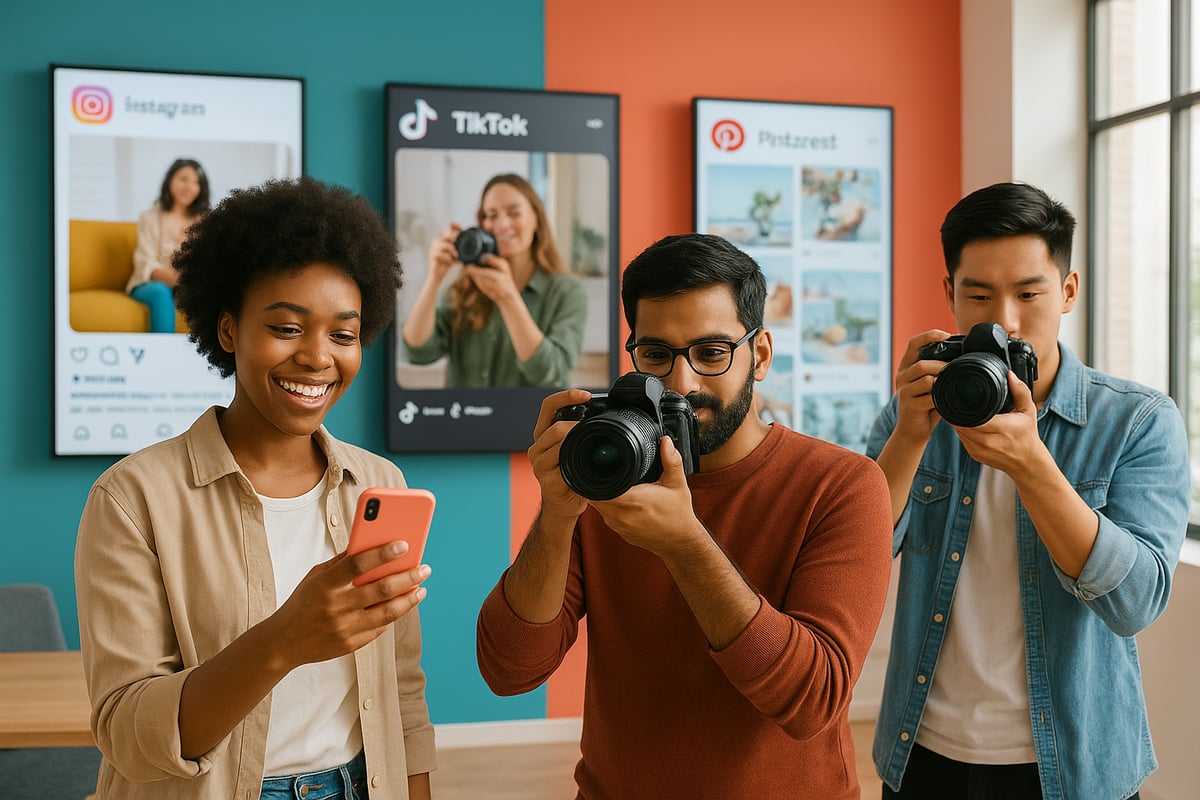
In 2026, visual-first platforms like Instagram, TikTok, and Pinterest continue to dominate the social media landscape. New platforms are emerging, but the demand for captivating images and videos remains constant. Over 80% of users now engage most with visual posts, highlighting the power of photography for social media. Brands and creators must adapt, prioritizing high-quality, story-driven visuals to capture fleeting attention spans. The explosive growth of these platforms means that mastering photography for social media is no longer optional, but essential for anyone serious about online influence.
Trends Shaping Social Media Photography
Authenticity now outshines staged perfection. Audiences crave relatable, honest moments, making candid images and behind-the-scenes glimpses more valuable than ever. Short-form, ephemeral content—such as Stories and Reels—keeps feeds fresh and engaging. AI and AR filters unlock new creative possibilities, helping brands express their identity in unique ways. For a deeper dive into what’s shaping photography for social media, check out these Photography Trends for 2026. Brands that embrace these trends, like sharing unfiltered team moments, consistently see higher engagement.
Platform-Specific Photo Requirements
Every platform has its own rules for photos. Instagram favors square or portrait images, while Pinterest prioritizes vertical, high-resolution pictures. TikTok, though video-centric, uses compelling thumbnails and visuals to boost discoverability. Understanding these requirements is crucial for effective photography for social media. Audiences expect different styles—Pinterest users love aspirational, detailed shots, while Instagram followers respond to vibrant, lifestyle-focused imagery. Adapting your content to each platform’s specs ensures your photos look sharp and professional everywhere they appear.
| Platform | Preferred Aspect Ratio | Resolution | Style Focus |
|---|---|---|---|
| 1:1, 4:5 | 1080x1080, 1080x1350 | Lifestyle, Portrait | |
| 2:3, 9:16 | 1000x1500, 1080x1920 | Vertical, High-Quality | |
| TikTok | 9:16 | 1080x1920 | Thumbnails, Covers |
The Impact of Algorithm Updates
Social media algorithms are increasingly sophisticated, prioritizing visually engaging content above all else. In 2025, Instagram updated its algorithm to boost the reach of original photos. Metrics like dwell time, shares, and saves now directly influence a post’s visibility. For creators focused on photography for social media, this means that eye-catching, authentic images are more likely to be seen and shared. Staying current with algorithm changes helps ensure your content remains competitive, driving ongoing growth and engagement.
The Importance of Accessibility and Inclusivity
Inclusivity is a cornerstone of effective photography for social media. Adding alt-text, detailed image descriptions, and featuring diverse subjects not only broadens reach but also signals brand values. Posts with accessible features enjoy 20% higher engagement, as they invite more people to participate in the conversation. Leading brands prioritize representation, ensuring their imagery reflects the real world. By making photos accessible and inclusive, creators foster stronger connections and build lasting community trust.
Foundations of Great Social Media Photography
Photography for social media is more than snapping a quick picture with your phone. It is about weaving your brand story into every image, using the right tools, and crafting visuals that connect with your audience. Let us break down the essential foundations that set exceptional creators apart in 2026.
Understanding Your Brand Story and Audience
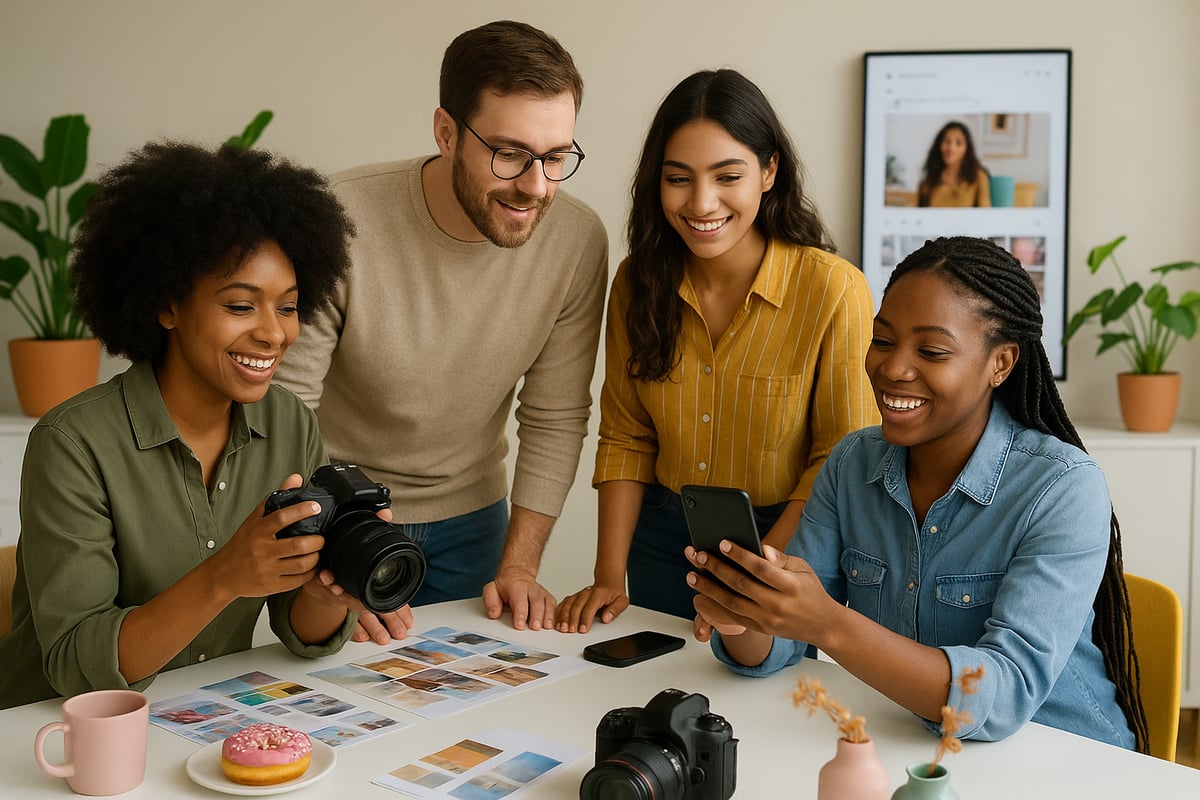
Every great photo starts with a clear sense of purpose. Ask yourself: What story do you want your images to tell? Whether you are a wellness brand evoking calm or a tech startup showcasing innovation, your visual identity shapes every post.
Research your audience’s interests and habits. Do they engage with behind-the-scenes shots or polished product images? For example, wellness brands often succeed with calming, natural imagery that resonates with their followers. Photography for social media thrives when you align your visuals with your brand’s core message and your audience’s preferences.
Choosing the Right Equipment for 2026
The gear you choose can make a world of difference. In 2026, smartphone cameras like the iPhone 17 Pro offer AI-powered features that rival entry-level mirrorless cameras. DSLRs still deliver top-tier image quality, but portability and smart tech give smartphones an edge for many creators.
Essential accessories include tripods for stability, ring lights for flattering illumination, and attachable lenses for creative effects. If you want to stay ahead, keep an eye on the latest Photography Industry Statistics 2026 to track emerging tech and trends. Ultimately, photography for social media is about finding the right balance of convenience, quality, and innovation.
| Equipment Type | Pros | Cons |
|---|---|---|
| Smartphone Camera | Portable, smart features | Limited manual control |
| Mirrorless/DSLR | Superior image quality | Bulkier, costly |
Mastering Lighting and Composition
Lighting is the secret ingredient in photography for social media. Natural light, like sunlight through a window, can make portraits glow and products pop. Artificial setups, such as LED panels or ring lights, give you total control over mood and shadows.
Composition matters just as much. Use the rule of thirds, leading lines, and negative space to guide the viewer’s eye. For instance, a portrait taken near a window with soft light and thoughtful framing can turn a simple shot into a scroll-stopper. Experiment with angles and remember, every detail in your frame tells part of your story.
Selecting and Styling Your Subject
What is the focus of your photo? Identifying your subject is crucial to effective photography for social media. Is it your product, a person, or a lifestyle scene? Make your subject stand out by choosing simple backdrops and styling with intention.
For example, jewelry brands often use minimalistic backgrounds to highlight their pieces. Play with props that enhance but do not distract. A carefully styled scene can evoke emotion, spark curiosity, or drive action. Your creative choices here shape how viewers perceive your brand.
Eliminating Distractions and Enhancing Focus
A cluttered background can dilute your message. Clean, focused images consistently outperform busy ones in photography for social media. Remove unnecessary items from the frame to let your subject shine.
Use props or supportive elements to reinforce your story, not compete with it. Studies show that images with clear focus and minimal distractions have engagement rates up to 30% higher. Take a moment to scan your setup before shooting, and you will create visuals that capture attention and drive results.
Step-by-Step Workflow: Creating Scroll-Stopping Social Media Photos
Creating compelling photography for social media is both an art and a science. A streamlined workflow helps you consistently produce visuals that engage and inspire. Let’s walk through each step, so you can turn your creative ideas into high-performing posts that stop the scroll.
Step 1: Planning Your Visual Content
Every great piece of photography for social media starts with a plan. Begin by setting clear objectives for each photo. Are you aiming to boost engagement, drive website clicks, or reinforce your brand’s visual identity?
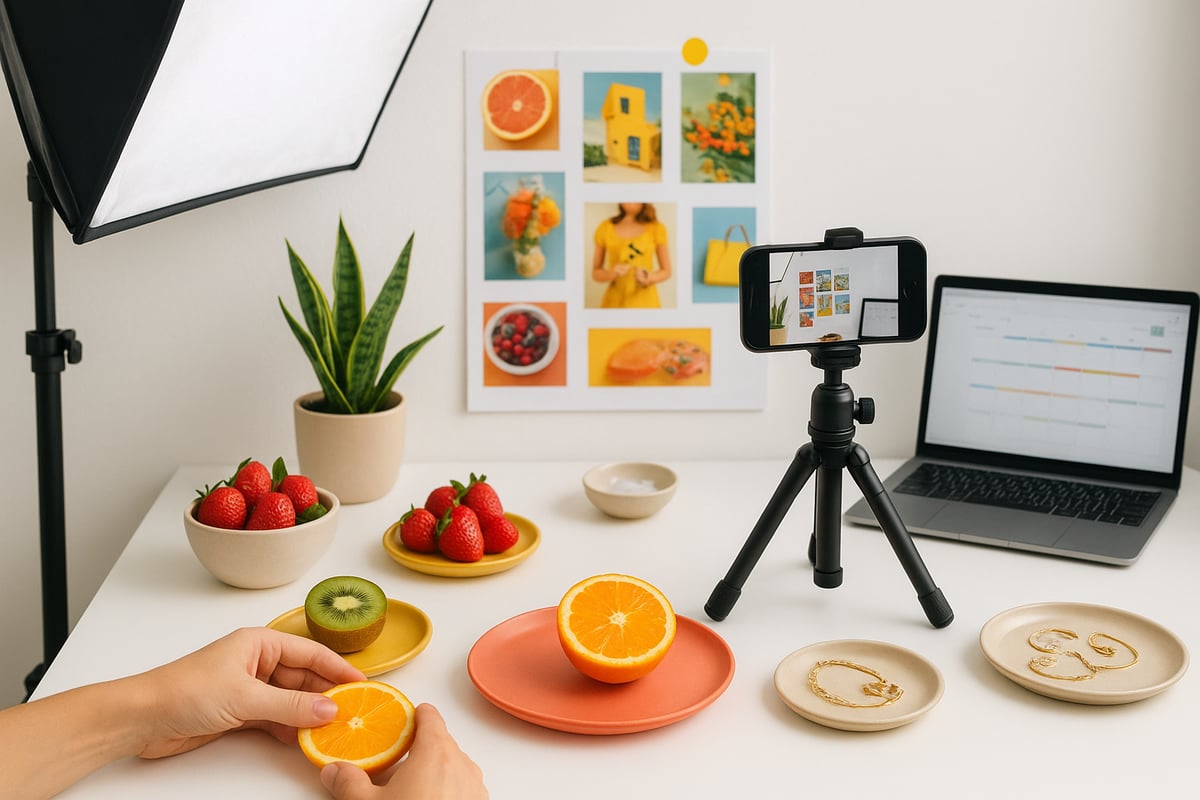
Sketch out a shot list that covers a range of themes, moods, and subjects. Use a mood board to visualize your ideas and ensure a consistent style. This helps you avoid last-minute scrambling and gives your content a purposeful direction.
Ask yourself: What story do I want to tell this week? Planning in advance allows you to create a cohesive feed, making your photography for social media more impactful and organized.
Step 2: Preparing Your Set and Subjects
Preparation is where your vision takes shape. Start by gathering props, backdrops, and any products or models you need. For photography for social media, consistency in colors and styling is crucial. Double-check your brand palette and ensure every item in your frame aligns with your overall look.
Organize your set so you can move quickly from one shot to the next. Food bloggers, for example, prep all their ingredients in advance to keep everything looking fresh and vibrant. The smoother your prep, the more authentic your photos will feel.
Step 3: Shooting with Intention
Now it’s time to bring your ideas to life. Approach your shoot with curiosity—try different angles, experiment with lighting, and take plenty of shots from various perspectives. In photography for social media, capturing multiple options allows you to select the image that stands out most.
Use techniques like the rule of thirds or leading lines to guide the viewer’s eye. Don’t be afraid to get creative—sometimes the most engaging shots come from unexpected moments. Review your photos as you go to ensure you’re hitting your marks.
Step 4: Editing and Enhancing Photos
Editing is where your images truly shine. Use editing apps or AI-powered tools to adjust exposure, color, and sharpness, ensuring your photos look polished but still authentic. According to Photography Statistics 2024: Trends You Should Know, subtle, natural edits are outperforming heavily filtered looks.
Crop images to fit platform specs, and use presets to maintain a cohesive style across your posts. For photography for social media, avoid over-editing; let your subject’s story lead. The right tweaks can transform a good photo into a scroll-stopper.
Step 5: Optimizing for Each Platform
Different platforms have different needs. Resize and format your images for Instagram, TikTok, Pinterest, or Facebook, ensuring each photo looks its best. Add alt-text and descriptive captions to make your photography for social media more accessible and discoverable.
For Stories, use vertical images; for feeds, try square or portrait formats. Always double-check resolution and compression to prevent loss of quality. Tailoring your content for each platform increases reach and engagement.
Step 6: Scheduling and Publishing
The final step is getting your work in front of the right eyes. Use content calendars and scheduling tools to plan your posts in advance. Research shows that for photography for social media, posting between 6 and 9pm can result in 25% higher engagement.
Batch your content creation so you’re never scrambling for last-minute posts. Monitor your analytics to identify the best times for your audience, and adjust your schedule as needed. Consistent publishing keeps your brand top-of-mind and builds loyal followers.
Advanced Techniques and Creative Trends
Staying ahead in photography for social media means embracing the latest creative trends and technical breakthroughs. In 2026, the landscape is alive with innovation, giving creators new ways to tell stories, connect, and stand out. Let’s explore five advanced techniques that are transforming how we capture and share our world.
Leveraging AI and Automation in Photography
Artificial intelligence is reshaping photography for social media in remarkable ways. Smart cameras now use AI to enhance images instantly, remove backgrounds, and even auto-tag content for faster publishing. Creators are turning to automated editing suites that learn their style, cutting post-production time in half.
Brands and professionals see the impact in both efficiency and creativity. For example, using AI-generated visuals allows for rapid campaign launches that still feel unique and on-brand. According to Photography Industry Statistics 2024–2025, the industry’s growth is fueled by this tech-driven evolution, with more teams integrating AI tools directly into their daily social workflow.
Flat Lays, Lifestyle, and Candid Shots
Flat lays and candid lifestyle images have become heroes of photography for social media. A thoughtfully arranged flat lay can tell a product story in a single glance, while authentic lifestyle shots make audiences feel like they’re part of the narrative.
To create compelling flat lays, focus on symmetry, color harmony, and negative space. Arrange props with intention, letting each element support your message. For lifestyle and candid shots, capture real moments: a laugh, a behind-the-scenes peek, or a spontaneous interaction. These images foster trust and emotional connection, making your brand more relatable and memorable.
Incorporating AR, Filters, and Interactive Elements
Augmented reality and interactive filters are redefining engagement in photography for social media. AR filters let users try on products virtually, interact with branded overlays, or participate in creative challenges. These experiences invite your audience to be part of the story, not just observers.
For example, brands launching new products often release custom AR filters that fans can share, amplifying reach organically. Interactive elements like clickable tags or animated stickers make photos come alive, driving higher dwell time and shares. As platforms evolve, expect even more immersive tools to emerge.
Mobile-First Photography Strategies
Smartphones are now the backbone of photography for social media. With advances like ProRAW, night mode, and AI-powered portrait features, creators can shoot professional-quality images anywhere, anytime. Mobile editing apps deliver powerful adjustments on the go, making it easy to maintain a cohesive visual style.
Batch editing with mobile presets keeps your Instagram grid or TikTok feed consistent. Shooting in vertical formats ensures your photos shine on Stories and Reels. The key is to stay agile—experiment, adapt, and use your smartphone as both camera and creative studio.
Data-Driven Photography: Measuring What Works
Success in photography for social media is no longer a guessing game. Analytics platforms track every like, save, share, and second of dwell time. Creators and brands use this data to fine-tune their visual strategies, testing everything from color palettes to composition styles.
A/B testing is especially powerful: try two versions of a photo, then double down on what resonates. Over time, this approach reveals patterns unique to your audience—what stops their scroll, what earns a save, and what sparks conversation. In 2026, the most successful creators are those who blend artistry with analytics, always learning and evolving.
Platform-Specific Strategies for 2026
Social media platforms are evolving fast, and each one has unique needs when it comes to photography for social media. To truly shine in 2026, you need to tailor your approach for every channel. Let’s break down how to do just that, platform by platform.
Instagram: Feed, Stories, and Reels
Instagram remains the heartbeat of photography for social media. The platform rewards consistent visuals, so plan your grid like an art gallery. Use a mix of portrait and square images for the feed, and experiment with full-screen verticals for Stories and Reels.
Stories are perfect for real-time, behind-the-scenes shots, while Reels let you blend photos with video for dynamic storytelling. For example, a fashion brand might share polished product shots in the feed, spontaneous team moments in Stories, and creative lookbooks as Reels.
Tips for 2026:
- Stick to a cohesive color palette and style.
- Use Instagram’s editing features and AI filters to stay on trend.
- Schedule posts during peak hours for better engagement.
Mastering photography for social media on Instagram means balancing authenticity with eye-catching aesthetics, ensuring every image tells part of your story.
TikTok and Short-Form Visual Content
TikTok might be video-first, but great photography for social media still matters here. Eye-catching thumbnails and photo slideshows are trending, often going viral when paired with the right audio.
Start by capturing bold, expressive images that pop in short-form formats. Use TikTok’s built-in editing tools to add text, effects, or AR overlays. Photo-based slideshows are especially effective for storytelling, product reveals, or tutorials.
Quick wins:
- Design engaging covers for your photo slideshows.
- Mix high-energy lifestyle shots with close-ups for variety.
- Use trending music and hashtags to boost visibility.
Photography for social media on TikTok is about movement, emotion, and surprise, even when the content is still.
Pinterest: Visual Search and Discovery
On Pinterest, photography for social media is all about discoverability. Vertical, high-resolution images perform best, and clear, descriptive text overlays can make your Pins stand out in crowded feeds.
Pinterest users are planners and seekers, so content should inspire action. Try creating Story Pins with step-by-step photo guides or idea Pins that showcase your process. Remember, vertical Pins see up to 60% more engagement, making orientation a priority.
Best practices:
- Use natural lighting and uncluttered backgrounds.
- Optimize file names and alt-text for search.
- Group similar images into themed boards.
For brands, photography for social media on Pinterest turns inspiration into results, driving both traffic and sales.
Facebook and LinkedIn: Professional Storytelling
Facebook and LinkedIn require a different flavor of photography for social media. While Facebook favors community, events, and lifestyle, LinkedIn leans into authenticity, leadership, and brand storytelling.
On Facebook, photo albums from events or campaigns keep audiences engaged. Use captions to add context and invite conversation. For LinkedIn, choose professional portraits, team photos, and behind-the-scenes shots that reflect your brand values.
Quick tips:
- Keep images high-res and free from watermarks.
- Use branded templates for consistency.
- Tag team members or partners to expand reach.
Photography for social media on these platforms should always support your brand’s credibility and community connection.
Emerging Platforms and Future-Proofing Your Strategy
New platforms like BeReal and Lemon8 are changing the rules for photography for social media. These spaces reward raw, unfiltered moments and authentic interaction over polished perfection.
To future-proof your content, stay flexible. Experiment with new aspect ratios, interactive features, and AI-powered editing tools. Join communities early to understand what resonates and adapt your style accordingly.
Action steps:
- Monitor emerging trends and join beta programs.
- Repurpose content across platforms for efficiency.
- Partner with agencies like TIME&SPACE: Real-Time Event Photography Solutions to stay ahead with real-time visuals.
Photography for social media will keep evolving, but a willingness to adapt ensures your brand remains both relevant and memorable.
Building an Efficient Photography Workflow for Social Media
Creating a seamless workflow is the backbone of successful photography for social media. It saves time, reduces stress, and unlocks creative opportunities. Let's dive into strategies that will help you deliver standout visuals, consistently and efficiently.
Streamlining Content Creation and Management
Efficient content creation is essential for anyone working with photography for social media. Start by building a library of templates, reusable assets, and style guides. This makes it easy to maintain a consistent look across all your posts.
Batch shooting is a real game-changer. By planning and capturing multiple photos in a single session, you save time and ensure your content pipeline never runs dry. Use content calendars to map out themes and deadlines, making the process more predictable.
- Create a shot list for each session
- Organize your files with clear folders and tags
- Schedule monthly or biweekly shoots to keep content fresh
With these habits, you'll find photography for social media becomes less overwhelming and a lot more enjoyable.
Collaboration and Teamwork in Content Production
Behind every great piece of photography for social media is a team effort. Whether you work with photographers, models, stylists, or editors, clear communication is key. Collaborative tools like shared cloud folders and real-time feedback apps make coordination much smoother.
When everyone is on the same page, creative ideas flow naturally. Encourage open brainstorming, regular check-ins, and mutual feedback. This not only improves your photos but also builds a positive team culture.
- Use cloud storage for instant file sharing
- Set up group chats or project boards for updates
- Assign clear roles to avoid confusion
Working together, your team can elevate photography for social media and produce content that truly connects.
Legal, Ethical, and Copyright Considerations
Navigating the legal landscape is crucial in photography for social media. Always secure the proper rights and permissions for every image you use. This avoids costly mistakes and keeps your reputation intact.
Here's a quick comparison of must-know concepts:
| Aspect | What to Check | Why It Matters |
|---|---|---|
| Copyright | Who owns the photo? | Avoids infringement |
| Releases | Model/property permissions | Protects from legal issues |
| Licensing | Usage terms/limits | Ensures proper use |
| Crediting | Proper attribution | Shows respect, builds trust |
Be proactive. Read platform guidelines, credit creators, and use licensed or original content. This way, your photography for social media remains both creative and compliant.
Ensuring Diversity, Inclusion, and Authentic Representation
Diversity and inclusion should be at the heart of photography for social media. Brands that showcase real people, cultures, and stories foster deeper connections and trust with their communities.
Representation goes beyond ticking boxes. It means sharing authentic moments and avoiding stereotypes. Studies show that brands with inclusive imagery see higher loyalty and engagement rates.
- Feature people of different backgrounds, ages, and abilities
- Use inclusive language in captions and alt-text
- Celebrate real stories, not just picture-perfect moments
When you make diversity a priority, your photography for social media becomes a true reflection of your audience.
TIME&SPACE: Real-Time Event Photography Solutions
Imagine capturing the energy of your live event and sharing it instantly. TIME&SPACE specializes in real-time photography for social media, designed for conscious leaders and organizations.

Their creative agency delivers on-site photography, videography, and instant media access through the TIME&SPACE App. This means your audience can engage with fresh, professional visuals while the event is still happening.
- On-site content creation and delivery
- Social media management and event promotion
- Brand consulting for authentic storytelling
Event organizers using TIME&SPACE have seen a boost in ticket sales and community engagement, all thanks to their innovative approach to photography for social media.
Scaling and Automating Your Photography Workflow
As your needs grow, scaling your workflow becomes vital in photography for social media. AI tools now automate editing, scheduling, and even analytics, freeing you to focus on creativity.
Set up automation for repetitive tasks like resizing, posting, and reporting. Use AI-powered schedulers to publish content at the best times for engagement. This approach ensures your feed stays active, even when you're busy.
- Integrate editing apps with your content calendar
- Use analytics dashboards to track performance
- Automate cross-platform posting to reach wider audiences
By embracing automation, photography for social media becomes a smoother, more scalable process—empowering you to reach new heights.
You’ve just explored the latest trends, practical workflow tips, and the secret sauce for creating photos that truly connect in 2026—and if you’re like me, you know that real progress happens when you combine inspiration with action. We’ve seen how the right image can spark conversations, build community, and even transform your brand story. If you’re ready to bring these ideas to life, why not take the next step and chat with a team who understands the heart and hustle behind purpose-driven content? Let’s discover what’s possible together—Book a discovery call.

Subscribe to our newsletter
We will keep it short and relevant, once a month... and soon we will replace the newsletters!