In 2026, social media production is an art form that goes far beyond simply sharing updates. Brands are now crafting genuine, interactive digital experiences that spark real-world conversations and impact.
This essential guide reveals the strategies, tools, and trends shaping success in social media production for the future. You'll discover how evolving platforms, AI innovation, and real-time storytelling are transforming the landscape.
Dive in to learn frameworks and techniques that help your content stand out, engage audiences, and drive results. Let these insights inspire you to elevate your brand’s presence in 2026 and beyond.
The Evolution of Social Media Production: How We Got Here
Social media production has undergone a dramatic transformation in just a few years. What started as spontaneous posting has evolved into a specialized craft that shapes brand identity and community. Let’s explore how we arrived at this pivotal moment in digital storytelling.

The Transformation from 2020 to 2026
From 2020 to 2026, social media production shifted from casual content to a well-orchestrated discipline. Brands moved away from simple status updates and embraced specialized teams dedicated to content strategy, video creation, and real-time engagement. Platforms launched new formats like Reels, Shorts, and Live Audio, pushing creators to adapt quickly.
AI-powered editing and captioning tools entered the mainstream, streamlining repetitive tasks. Now, agile workflows enable brands to respond to trends in real time. Companies prioritize platform-specific content, understanding that what works on TikTok may flop on LinkedIn. The result: a nonstop cycle of creation and adaptation, where quality and speed must coexist.
Key Shifts in Audience Behavior
Audience expectations have soared. People crave content that is instant, interactive, and visually compelling. Static posts have faded in favor of short videos, ephemeral Stories, and interactive polls. Community and conversation have become true engines of engagement, replacing strategies that relied purely on algorithms.
User-generated content and influencer collaborations are now central to many campaigns. According to Digital 2026: United States Social Media Insights, these trends reflect how social media production adapts as platforms and users evolve. Brands that listen and respond to these shifts are the ones that stand out and foster lasting loyalty.
The Rise of Specialized Roles & Technologies
Producing standout content now requires a diverse team. Social media production teams often include strategists, videographers, analysts, and community managers, each bringing unique expertise. Workflow management platforms and real-time collaboration tools are essential for keeping everyone in sync.
AI and automation have become the backbone for handling repetitive tasks, from scheduling to analytics. New apps deliver instant content during live events, letting brands share authentic moments with their audiences. This tech-forward approach frees up creative time, allowing teams to focus on storytelling and innovation.
The Business Case for Professional Social Media Production
Investing in professional social media production pays off in multiple ways. High-quality, consistent content builds trust and authority, positioning brands as leaders in their space. Strategic production aligns every post with business goals, ensuring measurable outcomes.
Case studies reveal that brands with dedicated production teams see higher engagement and better conversion rates. By integrating production with analytics, companies can fine-tune their approach, maximizing impact with every campaign. In today’s landscape, the business case for expert production is stronger than ever.
Challenges and Opportunities in 2026
With platforms multiplying and algorithms changing, brands face new challenges. The pressure to produce content quickly can sometimes threaten quality. Social media production teams must balance speed with creativity, ensuring every post reflects the brand’s story.
Opportunities abound for those willing to innovate. By focusing on storytelling, values, and community-building, brands can cut through the noise. The future belongs to those who embrace change and use social media production as a way to connect, inspire, and lead meaningful conversations.
The 2026 Social Media Production Workflow: Step-by-Step
Creating impactful social media production in 2026 is like orchestrating a digital symphony. Each step plays a part, from the initial spark of an idea to the final data-driven tweak. Let’s walk through the workflow that brings stories to life, fuels communities, and delivers real results.
1. Strategic Planning & Audience Research
Every successful social media production begins with a clear destination. Teams start by defining business goals and key performance indicators for each campaign. Social listening and analytics tools reveal what audiences truly care about, from trending topics to pain points.
Did you know that evolving platforms and AI are shaping how we plan? According to 7 Media Trends Redefining Entertainment in 2026, AI-generated content and immersive experiences are now vital to staying ahead. This early research sets the stage for content that resonates.
2. Content Ideation & Brainstorming
With insights in hand, the creative process kicks into gear. Teams use trend analysis tools and AI-powered generators to spark new ideas. Brainstorming sessions focus on audience-centric themes and the latest platform trends.
Storytelling remains front and center. Every concept is tested against the audience’s needs, ensuring each piece of content has a purpose in the larger social media production strategy.
- Use BuzzSumo for trend analysis
- Workshop ideas with the team
- Tap AI for fresh topic suggestions
3. Pre-Production & Asset Development
Preparation transforms ideas into action. Here, teams script, storyboard, and plan every detail. Visual assets, music, and brand elements are gathered and designed for multi-format output.
Whether it’s vertical clips for TikTok or polished graphics for LinkedIn, pre-production ensures that every piece aligns with the platform and audience. The foundation for a seamless social media production is laid at this stage.
4. Content Creation & Production
Lights, camera, action. The production phase brings stories to life through high-quality photos and videos. Teams use everything from professional gear to mobile devices for authentic, real-time captures.
Behind-the-scenes and live moments add authenticity. Quick turnarounds and agile shooting styles keep brands relevant, no matter how fast trends change in social media production.
5. Editing & Post-Production
Editing is where the magic happens. Content is shaped for each platform—vertical for Instagram, educational for YouTube, professional for LinkedIn. AI-powered editing tools speed up the process, adding captions, graphics, and motion for greater impact.
Accessibility and engagement are priorities. Teams refine cuts and visuals to ensure every piece of social media production is both beautiful and effective.
6. Publishing & Scheduling
Timing is everything. Publishing tools help teams optimize when to post, which hashtags to use, and how to best reach target audiences. Scheduling platforms like Buffer and Hootsuite ensure content rolls out consistently.
A/B testing headlines, thumbnails, and formats helps maximize performance. This stage keeps the social media production engine running smoothly and efficiently.
7. Community Management & Real-Time Engagement
The conversation doesn’t end at posting. Dedicated community managers monitor comments, DMs, and mentions, responding in real time. Brands foster community by encouraging user-generated content and sparking conversations.
Real-time engagement tools boost loyalty and retention, turning followers into fans. This is the heartbeat of social media production, where brands build lasting relationships.
8. Performance Analysis & Iteration
It’s time to measure what matters. Teams track engagement, reach, conversions, and ROI using advanced analytics dashboards. Top-performing content is studied, and learnings fuel quick iterations.
Rapid feedback loops help brands stay agile. Data-driven tweaks ensure every cycle of social media production gets smarter and more effective.
TIME&SPACE: Real-Time Event Media for Social Production
For events, retreats, and conferences, TIME&SPACE delivers instant, professional media via a proprietary app. Real-time photo and video sharing amplifies engagement and community connection as events unfold.
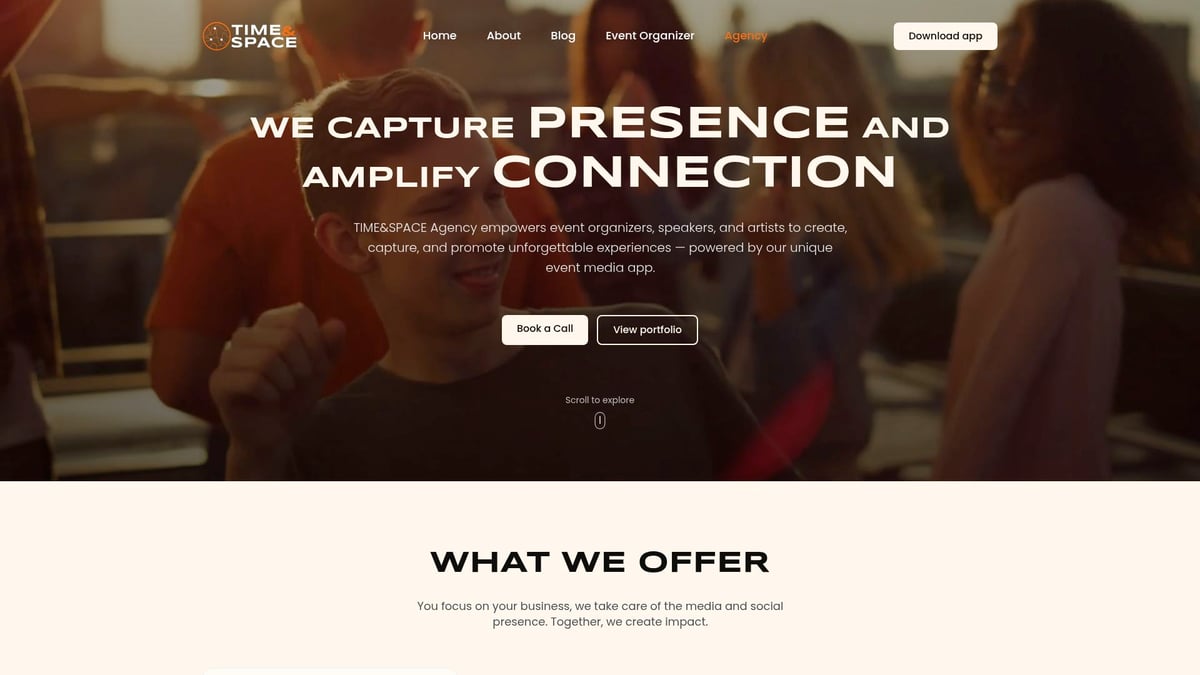
Their heart-led approach combines high-impact content creation with AI-powered workflows and strategic promotion. Organizers report higher ticket sales and attendee engagement thanks to rapid content delivery—a true game changer for social media production in 2026.
Platform-Specific Strategies: Winning on Every Channel
Ready to unlock the full potential of social media production in 2026? Each platform has its own rules, rhythms, and audiences. Success comes from tailoring your approach, not just posting the same content everywhere. Let’s break down what works best on every major channel—and how your brand can stand out by mastering platform-specific tactics for social media production.

Facebook & Instagram
Facebook and Instagram remain pillars of social media production, but their audiences crave fresh, bite-sized content. On Facebook, prioritize short, square or vertical videos under 90 seconds. These formats capture attention fast and encourage sharing. Instagram’s Reels, Stories, and carousel posts drive discovery and retention. Use bold visuals and punchy captions that hook viewers within the first three seconds.
Consider leveraging AI-powered tools, such as the Influencer: AI Tool for Promotional Posts, to streamline the creation of engaging promotional content. Brands see the best results with native features and trending audio, making their social media production more dynamic and relevant.
- Use trending sounds and effects on Reels
- Post at optimal times for your audience
- Encourage interaction with polls and stickers
Experimentation is key—what worked last year may not resonate today.
TikTok
TikTok thrives on creativity and authenticity, making it a powerhouse for social media production. Focus on short, trend-driven videos between 15 to 45 seconds. Participate in challenges, use platform-native effects, and jump on trending topics to maximize visibility.
Even B2B brands are finding their voice on TikTok through behind-the-scenes glimpses and educational snippets. The key is to keep it real and relatable. Audiences love seeing the human side of brands, so don’t be afraid to experiment with humor or storytelling.
- Join trending challenges
- Share quick tips or hacks
- Respond to comments with video replies
Stay agile, as trends can shift overnight, keeping social media production exciting and unpredictable.
LinkedIn is the go-to for professional storytelling in social media production. Share value-packed videos under 60 seconds to capture busy decision-makers. Use native uploads and enable auto-generated captions for accessibility.
Highlight thought leadership, showcase company culture, and offer industry insights. LinkedIn’s algorithm rewards meaningful conversations, so ask questions and encourage thoughtful comments.
- Post short video interviews or case studies
- Share team achievements and milestones
- Use polls for industry feedback
Consistency in tone and quality builds trust, making your social media production a magnet for professional engagement.
YouTube & YouTube Shorts
YouTube offers both long-form and short-form opportunities in social media production. Create 2 to 6 minute explainers, stories, and educational content to drive deeper engagement. Repurpose vertical clips for YouTube Shorts to reach broader audiences.
Optimizing for SEO is crucial—use relevant keywords, clear descriptions, and custom thumbnails. Educational content performs especially well, and Shorts are perfect for quick tips and highlights.
- Break down complex topics into series
- Use timestamps for easy navigation
- Engage viewers with questions in end screens
A blend of both formats keeps your social media production strategy versatile and effective.
Emerging & Niche Platforms
Staying ahead in social media production means exploring emerging platforms like Pinterest, Snapchat, and new entrants. Pinterest excels with how-to graphics and product showcases, while Snapchat’s ephemeral content connects with younger audiences through behind-the-scenes moments.
Tailor your content to the unique behaviors and preferences of each platform. Early adoption gives you a competitive edge and helps you reach untapped communities.
- Share step-by-step guides on Pinterest
- Use Snapchat for real-time event coverage
- Experiment with new features as they launch
Being open to new platforms keeps your social media production strategy fresh and future-ready.
Cross-Platform Content Repurposing
Maximize the impact of your social media production by repurposing core content across channels. Adapt videos into Stories, Reels, Shorts, or carousels. Maintain a consistent brand voice, but tweak visuals and messaging to fit each audience.
Use analytics to track what performs best where, and double down on those insights. Repurposing not only saves time, it also ensures your best ideas reach more people.
Content Repurposing Table:
| Original Content | Repurpose For | Platform |
|---|---|---|
| Long YouTube Video | Shorts, Reels, Clips | Instagram, TikTok |
| Blog Post | Carousel, Stories | LinkedIn, IG |
| Event Photos | Snap Stories, Pins | Snapchat, Pinterest |
Smart repurposing is a hallmark of efficient social media production, helping you stay present and relevant everywhere your audience hangs out.
Essential Tools & Tech Stack for Social Media Production in 2026
The heartbeat of successful social media production in 2026 is a seamless blend of technology and creativity. Every viral moment, brand story, and interactive campaign is powered by a carefully curated tech stack. Let’s step inside the modern digital studio and explore the essential tools that are changing the game for creators and brands alike.

AI-Powered Content Creation
AI is the creative engine driving social media production forward. Today’s teams use AI for everything from scriptwriting and caption generation to trend analysis and video editing. Imagine an AI tool suggesting the perfect headline, generating captions that resonate, or even editing a video in minutes instead of hours.
Popular tools include Grammarly for refining copy, Canva’s AI features for instant design, and Adobe Suite’s advanced video editing. These innovations allow creators to focus on storytelling rather than repetitive tasks. As AI grows more sophisticated, ethical considerations around copyright and media provenance come to the forefront. For those interested in responsible innovation, the Multi-Agent Framework for AI-Generated Content offers valuable insights.
Real-Time Collaboration & Workflow Management
Agile teamwork is the foundation of modern social media production. Platforms like Trello, Asana, and Notion keep creative teams organized and projects on track. Real-time collaboration lets writers, designers, and strategists work together regardless of location, making rapid feedback and approvals effortless.
Cloud storage solutions such as Google Drive and Dropbox ensure that assets are accessible in seconds, reducing bottlenecks. With these tools, teams can manage complex campaigns and adapt quickly to trends.
Visual & Video Production Tools
Visual storytelling sits at the core of social media production. Tools like Canva and Adobe Creative Cloud empower teams to create eye-catching graphics, GIFs, and animations for every platform. Mobile editing apps bring professional-grade video capabilities to anyone with a smartphone.
Specialized platforms such as Giphy for GIFs, Piktochart for infographics, and Prezi for animated presentations expand creative possibilities. These tools help brands transform ideas into visually compelling stories that capture attention in busy feeds.
Social Media Scheduling & Publishing
Timing is everything in social media production. Scheduling tools like Buffer, Hootsuite, and Later enable brands to plan, publish, and analyze posts across multiple platforms. These platforms use AI to recommend optimal posting times, ensuring content reaches audiences when they are most active.
A/B testing features make it easy to experiment with headlines, visuals, and formats. Consistent publishing keeps brands top of mind and helps maintain audience engagement.
Analytics & Performance Tracking
Measuring impact is crucial for effective social media production. Native analytics from Meta, TikTok, and LinkedIn provide detailed insights into engagement, reach, and conversions. Third-party dashboards offer a bird’s-eye view of cross-platform performance, enabling data-driven decisions.
Teams track key metrics like shares, saves, and video retention to refine strategy. Automated reporting tools save time and empower rapid iteration, helping brands stay agile in a fast-moving landscape.
Content Inspiration & Trend Monitoring
Staying ahead of trends is vital in social media production. Platforms such as BuzzSumo, Feedly, and HubSpot Blog Topic Generator help teams brainstorm fresh ideas and spot viral topics early.
Trend analysis tools monitor shifts in audience behavior, enabling brands to pivot quickly. By integrating these resources, creators can develop content that feels both timely and relevant, fueling ongoing engagement.
Asset Libraries & Stock Resources
A robust asset library is every social media production team’s secret weapon. High-quality visuals from Unsplash, Pexels, and proprietary brand libraries ensure content is always fresh and on-brand.
Integration with design and video tools streamlines workflow, allowing creators to pull assets directly into projects. This seamless access reduces turnaround times and helps maintain a consistent visual identity across all channels.
Measuring Success: Analytics, ROI, and Optimization
Understanding how to measure success is the backbone of effective social media production. In 2026, brands that master analytics, ROI, and optimization will outpace the competition. Let’s break down how to transform data into actionable results and keep your strategy future-proof.
Defining Success Metrics for 2026
Gone are the days when likes and follower counts told the whole story. Today, social media production requires a focus on deeper engagement, conversions, and true community growth. Brands track shares, saves, comments, click-throughs, and especially video retention rates.
Consider this: Social videos now drive 1,200% more shares than static content, showing the power of dynamic formats. By prioritizing these metrics, companies can link content performance directly to business outcomes.
Setting Up Analytics Frameworks
The next step in social media production is building robust analytics frameworks. UTM parameters, pixel tracking, and conversion funnels help teams attribute actions to specific campaigns and platforms.
Aligning these frameworks with business objectives ensures every piece of content supports goals like lead generation or sales. This makes it easier to prove ROI and refine strategies based on real results.
Interpreting Data for Continuous Improvement
Data becomes meaningful when it drives change. Teams in social media production regularly identify top-performing content and replicate what works. Analyzing where viewers drop off in videos helps refine storytelling and pacing.
A B testing headlines, visuals, and calls to action uncovers what resonates most with your audience. This continuous loop of improvement keeps content fresh and effective.
Tools for Advanced Reporting
Success in social media production relies on the right reporting tools. Integrating native platform insights with third-party dashboards provides a holistic view of performance.
Automated reporting saves time and allows rapid response to emerging trends. Teams can spot patterns, adjust strategies, and share clear results with stakeholders instantly.
Case Studies: Data-Driven Success
Brands that embrace analytics often see remarkable gains. For example, companies that iterate based on real-time data have improved engagement by up to 30 percent.
Small tweaks, like optimizing video length or experimenting with new formats, can lead to viral campaigns or higher conversion rates. These stories highlight the value of a data-first mindset.
Building a Culture of Experimentation
Fostering a culture of experimentation is key to ongoing growth. Teams are encouraged to test new formats, explore emerging platforms, and try creative approaches in social media production.
By using rapid feedback loops, brands stay agile and responsive to audience shifts. This mindset helps future proof your strategy and keeps your content ahead of the curve.
Future Trends & Predictions: What’s Next for Social Media Production?
The future of social media production is a story still being written. As we look toward 2026, the landscape is shifting faster than ever, driven by innovation, audience expectations, and a relentless hunger for genuine connection.
AI, Automation, and Personalization
Artificial intelligence is set to change the very fabric of social media production. Imagine tools that write scripts, edit videos, and suggest personalized content for every audience segment.
Automation will handle repetitive tasks, freeing creators to focus on storytelling. Hyper-personalized posts, tailored in real time, will capture attention and nurture loyalty.
Real-Time & Ephemeral Content
The appetite for instant, fleeting moments only grows. Live streams, Stories, and event recaps will become the main stage for engagement.
Audiences crave authentic experiences that unfold in real time. Brands that embrace this trend will build stronger, more memorable communities.
Community and Creator Economy
Social media production is evolving beyond broadcasting to building thriving ecosystems. Brands will invest deeply in communities, not just audiences.
Collaboration with micro-influencers and creators will be at the heart of every strategy. This approach sparks trust and encourages organic growth.
Immersive Formats: AR, VR, and Interactive Media
The next chapter of social media production will be immersive. Augmented and virtual reality will let audiences step inside stories.
Interactive polls, quizzes, and shoppable content will blur the line between viewer and participant. These formats invite deeper engagement and lasting impressions.
Ethical Storytelling & Purpose-Driven Brands
Consumers are demanding more than clever campaigns. In 2026, social media production must reflect transparency, inclusivity, and real-world impact.
Purpose-driven narratives will inspire loyalty and outperform purely promotional posts. Brands that stand for something meaningful will lead the conversation.
Staying Ahead: Skills and Mindset for 2026
Success in social media production will require adaptability, creativity, and a data-driven mindset. Teams must keep learning, experimenting, and monitoring trends.
A culture of curiosity and growth will separate leaders from followers. The most agile brands will thrive in this ever-changing world.
Preparing for Platform Disruption
Change is the only constant in social media production. New platforms will rise, algorithms will evolve, and audience tastes will shift overnight.
Brands prepared to pivot, diversify their strategies, and embrace experimentation will stay ahead of the curve. The future belongs to those who adapt quickly and create with purpose.
After walking through the dynamic shifts and creative possibilities of social media production in 2026, you can see how powerful real-time connection and authentic storytelling have become. If you’re ready to bring your vision to life—to turn impactful moments into digital experiences that truly engage—why not take the next step with a team that lives and breathes this new era? Let’s explore how your events and brand can stand out, foster community, and drive meaningful change. I’d love to hear about your goals and see how we can spark something extraordinary together. Book a discovery call

Subscribe to our newsletter
We will keep it short and relevant, once a month... and soon we will replace the newsletters!