Social media is exploding with video content, and the way we create and share these videos is changing faster than ever. In 2026, mastering video editing for social media has become a must-have skill for anyone hoping to capture attention and connect with their audience.
Whether you are a creator, a brand, or part of a growing organization, standing out means knowing how to craft videos that spark engagement and tell your story in new, creative ways. This article gives you seven actionable tips to help you thrive in the ever-evolving world of social video. Get ready to learn about new formats, smart AI tools, and techniques that will keep your content fresh, consistent, and impactful—read on to transform your editing strategy.
The Evolution of Social Media Video Editing in 2026
The landscape of video editing for social media has transformed dramatically by 2026. Creators and brands are navigating a fast-paced world where attention spans are shrinking, AI is everywhere, and authenticity is more valued than ever. Let’s explore how these changes are shaping the future of video editing for social media, and what it means for those looking to stand out.

The Rise of Short-Form and Vertical Video
Short-form video has become the heartbeat of social platforms. TikTok, Instagram Reels, and YouTube Shorts are now where audiences spend most of their scrolling hours. Brands have noticed and are shifting their entire strategies to prioritize vertical-first content.
Research shows that short-form videos consistently achieve higher engagement rates compared to traditional formats. The average user attention span has dipped below 8 seconds, making brevity and instant impact essential. Editors are now experts at repackaging stories into bite-sized clips that still feel complete.
Content strategies have evolved to embrace vertical and square formats as the new standard. This shift has changed how creators approach framing, storytelling, and even text placement. According to Top Social Media Video Trends 2026, these trends are only accelerating, making video editing for social media a moving target that rewards adaptability.
Integration of AI and Automation in Editing Workflows
AI has revolutionized video editing for social media, making it faster and more efficient. Editors now rely on AI tools to automate repetitive tasks like trimming, color correction, and captioning. This shift has freed up creative energy, allowing teams to focus on storytelling and innovation.
AI-powered platforms can generate highlight reels from hours of footage within minutes. Bulk content adaptation for different platforms is now standard practice. Editors who embrace these tools find themselves producing more content with less effort and greater consistency.
The statistics tell a clear story: 70% of social media videos in 2026 utilize AI-assisted editing. Mastering both the creative and technical sides of these tools is now a must for anyone serious about video editing for social media.
Increasing Importance of Authenticity and Storytelling
Audiences in 2026 are seeking real, relatable connections. Overly polished, corporate videos feel out of place on most platforms. Instead, viewers gravitate toward content that feels authentic and human.
Story-driven editing techniques are at the core of this shift. Editors blend behind-the-scenes moments, user-generated clips, and raw reactions to create videos that foster community. Viral campaigns often build around these genuine moments, creating emotional resonance that polished ads can’t match.
Balancing quality with authenticity is a delicate act. However, editors who master this balance find their video editing for social media builds trust and long-term loyalty. Consistent narrative style also strengthens brand recognition in crowded feeds.
Platform Algorithm Shifts and Their Impact on Editing
Social media algorithms are always evolving. In 2026, they reward watch time, engagement, and shares rather than just raw views. Editors must now craft videos with retention in mind, using strong hooks, dynamic pacing, and interactive elements to keep viewers glued to the screen.
Strategic placement of calls-to-action and overlays within the first few seconds is key. Videos with lively pacing see a 30% boost in average watch duration. Editors who adapt quickly to these shifts gain a competitive edge.
Staying agile is essential. Regularly updating techniques ensures your video editing for social media remains effective as platforms and algorithms continue to change.
7 Essential Tips for Video Editing for Social Media in 2026
In 2026, staying ahead in video editing for social media means mastering both technology and creativity. These seven essential tips will help you transform your workflow, captivate your audience, and maximize your impact across every platform.
1. Optimize for Multi-Platform Distribution
Success in video editing for social media starts with thinking beyond a single platform. Today’s audiences are everywhere, so your videos need to be too. The key? Edit with flexibility and foresight.
Start by designing your content for multiple aspect ratios: vertical (9:16), square (1:1), and horizontal (16:9). This allows you to repurpose one video for Instagram Reels, TikTok, and YouTube Shorts without losing quality or impact. Use platform-specific templates and export settings to ensure your video editing for social media always looks sharp, no matter where it’s posted.
AI tools can automate resizing, reframing, and cropping, saving hours on manual adjustments. Many creators now plan their shoots with safe zones in mind, making sure key visuals and text aren’t cut off by different platform layouts. This approach prevents awkward cropping and keeps your brand polished.
Consider this simple checklist for multi-platform editing:
| Platform | Aspect Ratio | Key Features | Export Tips |
|---|---|---|---|
| TikTok | 9:16 | Fast, vertical | High contrast |
| Instagram Reels | 9:16 | Text overlays | Large captions |
| YouTube Shorts | 9:16 | Quick intros | Branded outro |
| Facebook Feed | 1:1 | Looping content | Clear graphics |
Brands distributing content across three or more platforms are seeing double the reach compared to single-channel strategies. This makes multi-platform video editing for social media a non-negotiable for growth.
Always keep your main message and visuals in the center. By planning edits with distribution in mind, you’ll maximize your audience and get more value from every piece of content.
2. Leverage AI-Powered Editing Tools for Speed and Consistency
The rise of AI is revolutionizing video editing for social media, making it faster and more consistent than ever. Tasks that once took hours—like trimming, captioning, and color correction—can now be automated with a few clicks.
AI-driven editing platforms help creators batch process content, apply consistent branding, and even auto-generate highlight reels from long-form footage. For example, an event recap can be instantly turned into bite-sized, shareable clips thanks to smart scene detection. This not only speeds up production, but also ensures all videos meet your brand’s standards.
According to recent statistics, AI-assisted editors deliver video editing for social media 40% faster than manual workflows. The AI in Video Editing Market Growth report highlights how efficiency and cost savings are driving widespread adoption in the industry.
Here’s how to get the most from AI tools:
- Use auto-captioning to make videos accessible and searchable.
- Apply noise reduction and color grading presets for a professional look.
- Leverage AI highlight detection to quickly repurpose live or event footage.
Yet, human creativity is still vital. The best results come from blending AI automation with your unique storytelling touch.
Staying updated on the latest AI features will keep your video editing for social media ahead of the curve. Embrace these tools to scale your content and maintain a strong presence in 2026.
3. Hook Viewers in the First 3 Seconds
In the fast-paced world of video editing for social media, the first three seconds can make or break your content. With attention spans shrinking, you need to grab viewers instantly.
Start with bold visuals, striking text overlays, or compelling audio cues. Place your most engaging moment or key message right at the start. Viral TikTok videos often reveal the twist or transformation immediately, leaving no room for slow intros.
Data shows that 80% of viewers decide within three seconds if they’ll keep watching. This means every edit should be designed for immediate impact. Avoid lengthy openings. Instead, jump straight into the action or deliver quick value.
Try these techniques to craft the perfect hook:
- Use dynamic motion or zooms to create visual excitement.
- Add a burning question or surprising fact in on-screen text.
- Start with an emotional reaction or relatable scenario.
The “hook-first” approach is now the gold standard in video editing for social media. Not only will it boost watch time, but it also increases your video’s chances of being picked up by platform algorithms.
Remember, if your audience isn’t captivated instantly, they’re just a swipe away from something else. Make every second count.
4. Prioritize Mobile-First Editing and Accessibility
In 2026, nearly all video editing for social media is viewed on mobile devices. This shift makes mobile-first design and accessibility essential for reaching your audience.
Ensure that text, graphics, and key visuals are legible even on the smallest screens. Use large, high-contrast fonts and bold colors to improve readability. Adding captions and subtitles is a must—not just for accessibility, but also because most users watch videos without sound.
Brands that prioritize captions are seeing a 50% boost in engagement. Accessibility goes beyond compliance; it opens your content to a wider audience and builds community.
Before publishing, preview your video editing for social media on multiple devices. Check for any elements that might be cropped or hard to read. Here’s a quick mobile-first checklist:
- Use vertical or square formats for most platforms.
- Test color contrast for text against backgrounds.
- Ensure all CTAs and key messages are visible in the “safe zone.”
Data shows that 95% of social media video consumption happens on mobile. By making your video editing for social media accessible and mobile-friendly, you invite more viewers to engage and share.
Accessible content isn’t just good practice—it’s smart business.
5. Enhance Engagement with Interactive and Dynamic Elements
Audience engagement is the heartbeat of video editing for social media. In 2026, interactive features and dynamic visuals are proving to be game-changers.
Polls, clickable overlays, and shoppable links can turn passive viewers into active participants. For example, Instagram Stories with interactive stickers and swipe-up CTAs create a two-way conversation, keeping users invested from start to finish.
Motion graphics, animated transitions, and moving text help maintain interest, especially in fast-moving feeds. Data reveals that interactive videos are delivering three times higher engagement rates compared to static content. This shift means editing is no longer just about cutting clips, but about crafting experiences.
When adding interactivity to your video editing for social media, balance is key. Too many elements can overwhelm viewers. Focus on features that add value and encourage action.
- Incorporate one or two interactive elements per video.
- Use animations to highlight important points without distracting from the message.
- Test different formats to see what resonates with your audience.
Dynamic, engagement-driven editing is now a pillar of successful social media strategy. The more your audience can interact, the more likely they are to remember—and share—your content.
6. Maintain Consistent Branding and Visual Identity
Standing out in crowded feeds requires a strong, recognizable style. Consistency in video editing for social media builds trust, loyalty, and brand recall.
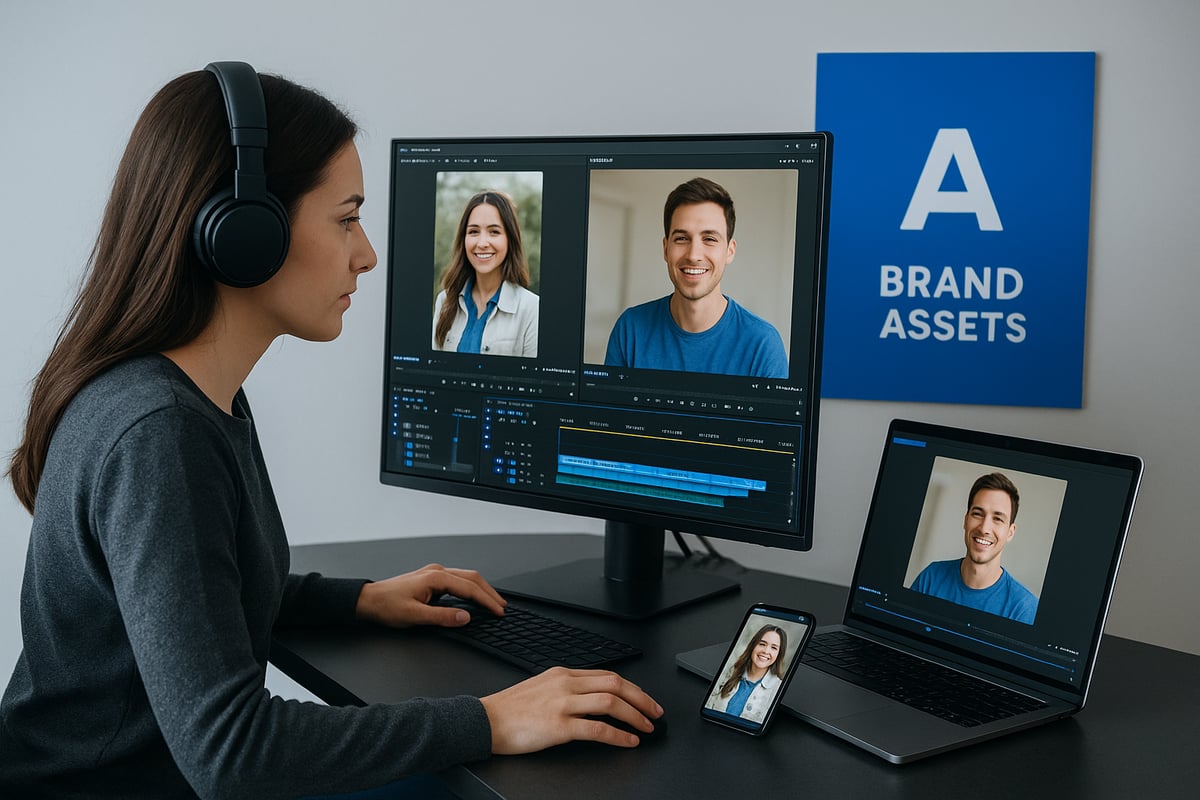
Use your brand’s colors, fonts, and logos across all videos. Create reusable templates for intros, outros, and lower-thirds to streamline your workflow. Influencers and brands with cohesive visual identities are seeing higher follower loyalty and engagement.
Here’s a simple template structure for consistent branding:
[Intro: 2 seconds] – Logo animation, brand colors
[Main Content: 10–50 seconds] – Consistent font and color palette
[Outro: 2 seconds] – CTA, website, or social handle
Saving presets in your editing software ensures every piece of video editing for social media aligns with your brand. This also speeds up production and reduces errors.
Data shows that consistent branding can boost brand recall by up to 80%. When viewers recognize your style instantly, they’re more likely to engage and share.
By maintaining a unified look and feel, your video editing for social media will shine amidst the noise, building a lasting connection with your audience.
7. Analyze Performance and Iterate Editing Techniques
The journey doesn’t end when you hit publish. The best video editing for social media is driven by data and continuous improvement.
Track key metrics like retention rates, engagement, click-throughs, and shares. Use platform analytics and A/B testing to discover which edits resonate most. For example, experiment with different hooks or pacing to see what keeps viewers watching longer.
Editors who regularly analyze their video editing for social media are improving performance by 35%. This iterative approach helps you stay ahead of trends and adapt to algorithm changes.
Tips for effective analysis:
- Review analytics weekly to spot patterns and opportunities.
- Test variations of the same video to compare results.
- Gather audience feedback through comments and direct messages.
Adjust your editing style based on what the data tells you. Sometimes, a small tweak in timing or visual style can make a huge difference in reach and engagement.
Continuous learning and adaptation are the secrets to mastering video editing for social media. The more you iterate, the bigger your impact will be.
Future Trends and Innovations in Social Media Video Editing
As we peer into the future, the landscape of video editing for social media is evolving at breakneck speed. Creators, brands, and agencies are embracing new technologies, formats, and ethical considerations to captivate audiences in fresh ways.
AI-Generated Content and Deep Personalization
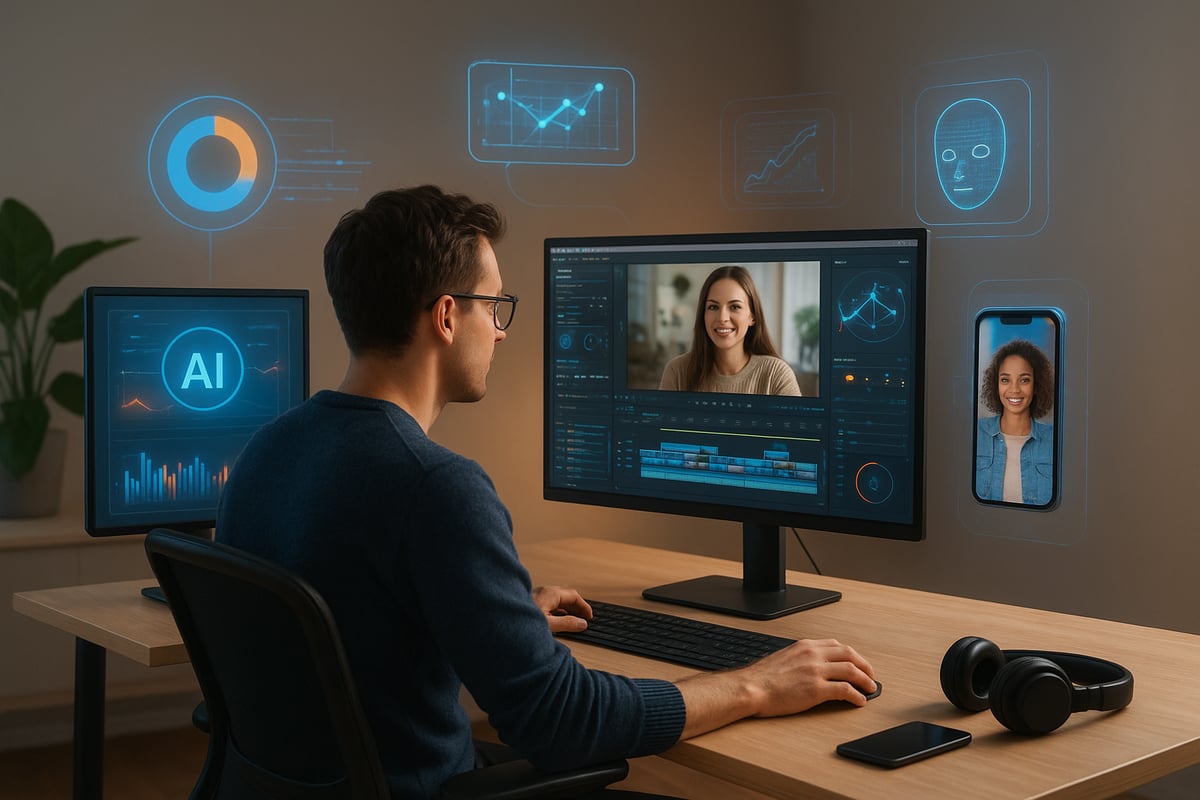
The next frontier in video editing for social media is hyper-personalization, powered by artificial intelligence. AI tools now analyze viewer data to tailor video content to individual preferences, making every scroll feel unique. Imagine dynamic video ads that update scenes or messages for each user, creating a one-to-one connection.
According to the IAB Report on AI in Video Ads, nearly 90 percent of advertisers are leveraging generative AI to craft video ads, underscoring the industry’s rapid shift. Editors who master these AI-driven personalization tools will be at the forefront of engagement and marketing innovation.
Real-Time Editing and Instant Publishing
Speed is becoming a decisive factor in video editing for social media. Audiences crave timely updates, and platforms reward immediate publishing. With real-time editing tools, creators can cut, polish, and release eye-catching clips within minutes of an event’s conclusion.
New AI frameworks like EditIQ: Automated Cinematic Editing are making it possible to automate highlight reels and publish them on the fly. This shift empowers editors to deliver professional-quality content faster than ever, turning live moments into viral sensations and maximizing engagement.
Immersive Formats: AR, VR, and 3D Video
Social media is entering the age of immersive storytelling, and video editing for social media must keep pace. Platforms now support AR filters, VR experiences, and 3D video, transforming how audiences interact with content. Imagine viewers exploring a product in 360 degrees or attending a virtual concert from their living room.
Early adopters of these formats are already seeing a surge in audience engagement. Editors need to develop new skills and workflows to craft compelling stories in these multidimensional spaces, ensuring content stands out in a crowded feed.
Ethical Editing and Authenticity in the Age of AI
With the rise of AI and deepfake technologies, authenticity is more important than ever in video editing for social media. Audiences are increasingly wary of synthetic media, and platforms are responding with stricter verification tools. Editors must balance innovation with ethical responsibility, ensuring their work builds trust rather than erodes it.
Staying transparent about AI usage and maintaining clear brand values will remain key differentiators. As technology advances, genuine storytelling and honest editing will set successful creators apart, fostering loyalty and meaningful community connections.
You’ve just explored the essential video editing strategies that will help you thrive on social media in 2026—from mastering AI-powered tools to crafting videos that truly connect with your audience. At TIME&SPACE, we’ve seen firsthand how these techniques spark real engagement and build vibrant communities. If you’re ready to tell your story in a way that stands out and inspires, why not take the next step with us? Let’s discover how your brand can make a lasting impact together. Book a discovery call and let’s start creating unforgettable digital moments.

Subscribe to our newsletter
We will keep it short and relevant, once a month... and soon we will replace the newsletters!